About 4 minutes to read
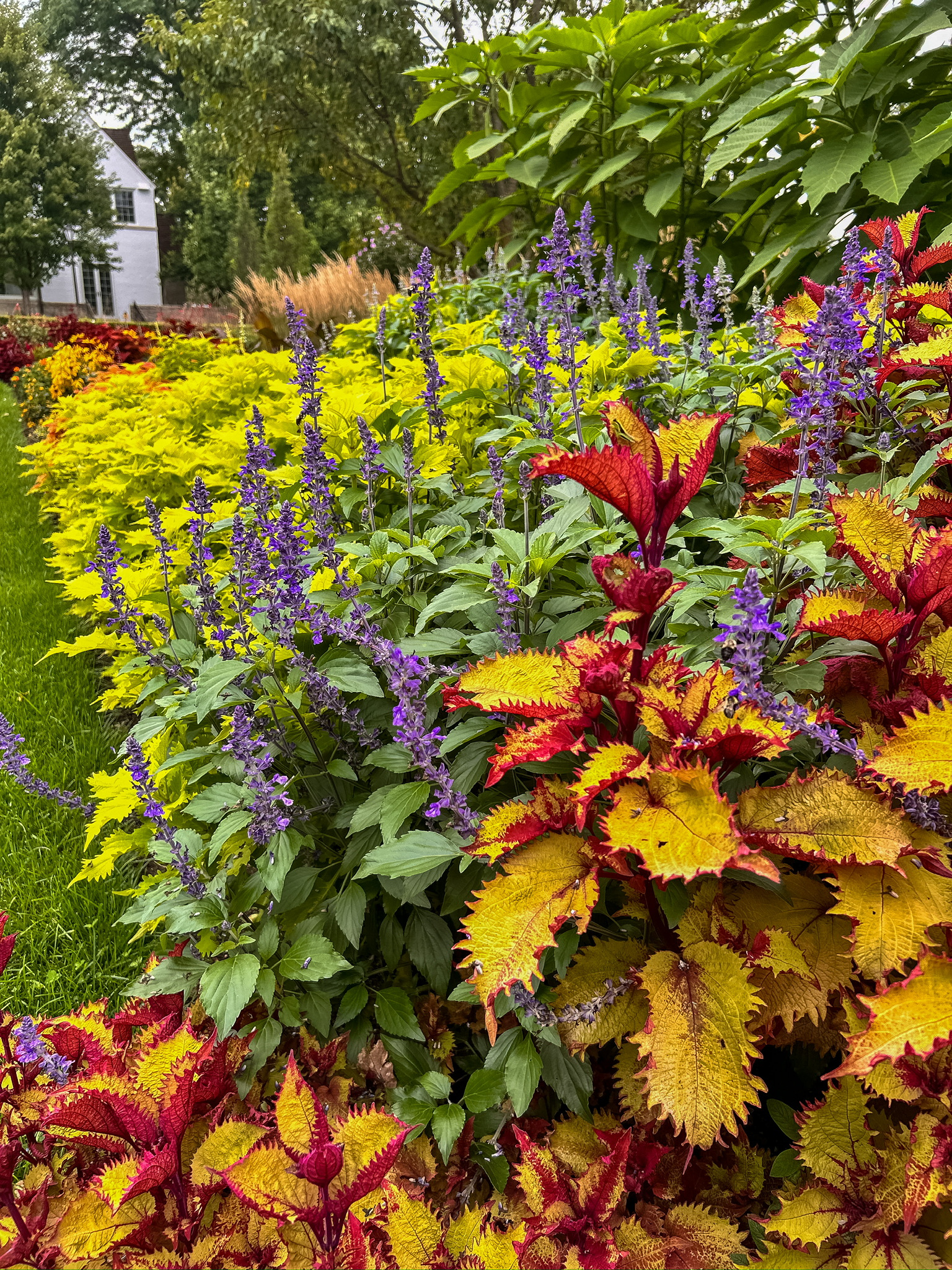
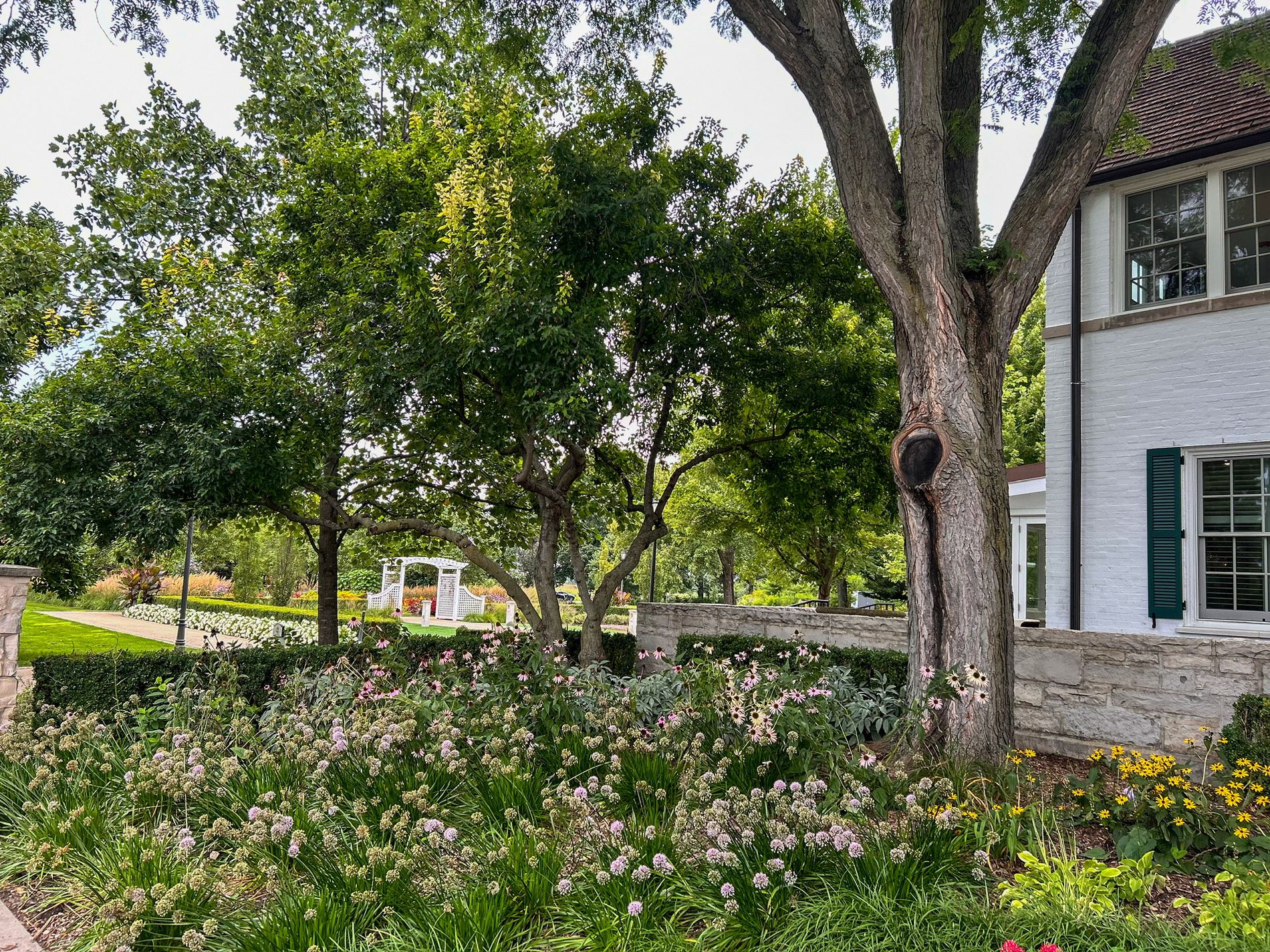
Fall at Danada House brings a different kind of warmth to a wedding. The mansion and mature landscape offer texture, while the gardens provide a changing background for the ceremony and photographs. The season can suit soft neutrals, deeper colors, or a design that simply lets the place speak for itself.
An autumn date also asks you to think carefully about daylight and temperature. Color changes from year to year, and an afternoon that feels comfortable outside may lead into a cool evening. Planning for those variations gives you a celebration that belongs to the season without depending on a particular forecast or foliage display.
Choose The Date For The Whole Experience
It is tempting to choose a fall date from a photograph of golden trees. That photograph captures one moment, not a guarantee for another year. Consider your preferred weather range, the availability of important guests, and the kind of indoor-outdoor day you want before making foliage your deciding factor.
Ask to see the ceremony settings and the indoor alternative during your tour. Notice the architecture, open views, and mature trees as well as the leaves. These enduring features can give your wedding a beautiful sense of place whether the season is just beginning or already moving toward winter.
Start With The Light
Autumn evenings arrive earlier as the season progresses. Work backward from the portraits you want when discussing the ceremony time with your photographer. Allow for the ceremony itself, family groupings, and the travel between locations rather than assigning the entire interval to couple portraits.
Our ceremony-time guide helps connect the photograph schedule with guest comfort. If you prefer to attend cocktail hour, an earlier portrait session or first look may be worth discussing. The right choice is personal, but it should be made with the date’s available light in view.
Build A Palette That Belongs To You
Fall does not require an orange-and-brown wedding. Deep blue, soft cream, muted green, rose, or a warm metallic accent may work beautifully beside the mansion and gardens. Choose colors that you enjoy, then let the surrounding landscape contribute an additional layer rather than asking every detail to represent autumn.
Your florist can help translate that palette through texture and seasonal availability. Ask about substitutions before approving arrangements so the overall feeling can survive a change in supply. Keep sightlines clear at dinner tables, and consider how flowers used for the ceremony might continue into the Atrium reception.
Make Outdoor Comfort Easy
Let guests know that the ceremony is planned outdoors and that an evening layer may be useful. A short note on your wedding website gives everyone time to choose clothing comfortably. It is especially helpful for guests visiting Illinois from a warmer climate or attending with children.
Ask the venue about the permitted ways to offer comfort items, and assign responsibility for their placement and removal. Do not assume that a heating device, candle arrangement, or outdoor installation can be added without approval. Danada’s policies should guide those choices before equipment is reserved or decorations purchased.
Give The Reception A Warm Welcome
The move indoors can become one of the nicest parts of a fall wedding. Guests return from the garden, find their seats, and settle into an evening of food and conversation. Discuss the timing of cocktail hour and dinner with your caterer so the transition feels purposeful rather than drawn out.
Lighting can help the Atrium change character as daylight fades. Ask your entertainment or lighting provider about a restrained plan that supports dinner, speeches, and dancing. Our Atrium lighting guide offers questions to consider, including placement, power, and the difference between a welcoming dinner room and an energetic dance floor.
Prepare For A Wet Or Windy Day
An autumn ceremony plan should account for wind and wet surfaces as well as rain. Confirm where guests will gather, which route they will use, and how the indoor ceremony would be arranged. A garden may look inviting while particular walking areas still need careful assessment.
Review these questions with the venue and coordinator at the final meeting. Flowers, signs, and sound equipment all need to fit the backup arrangement. A written weather plan means the people responsible can make a coordinated change while you continue getting ready for the celebration.
Keep The Final Hours Thoughtful
Once dinner begins, guests may be less likely to spend long intervals outdoors than at a midsummer wedding. Plan late photographs, any permitted outdoor gathering, and transportation around the actual conditions. A shorter portrait break can preserve a lovely evening image without pulling you away from the reception for too long.
Confirm the last shuttle or other departure arrangements before the wedding week. Include clear directions and a contact person who can help guests at the end of the night. Fall’s changing light and quieter garden atmosphere can make Danada feel especially intimate, and thoughtful preparation lets you enjoy that character from the first arrival through the final goodbye.
Continue Planning

Seven Ceremony Locations
Seven ceremony settings invite different ways to picture your wedding. Compare their character, guest routes, light, and practical arrangements, then bring your priorities to a tour of Danada House.
Read The Guide
Creating An Outdoor Wedding Rain Plan You Will Actually Love
An indoor ceremony deserves the same care as your first plan. Coordinate the weather decision, guest arrival, flowers, sound, and photographs so the alternative feels considered and welcoming.
Read The Guide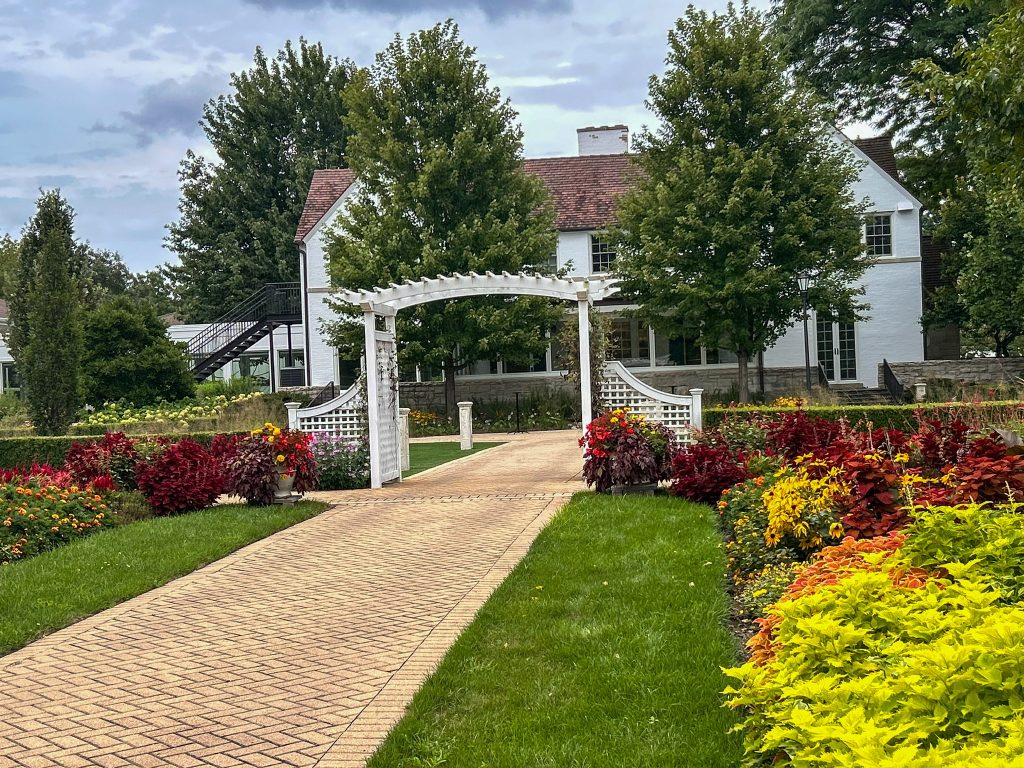
Choosing Your Ceremony Time For Sunlight, Comfort And Wedding Photography
Ceremony timing affects photographs, guest comfort, and the pace of the celebration. Bring your preferred atmosphere and practical priorities to a conversation with the venue, photographer, and planning team.
Read The Guide
Floral Design For A Historic Mansion And Garden Wedding
Flowers can connect the ceremony and reception while allowing the setting to remain visible. Discuss placement, movement, guest views, and practical venue requirements alongside the colors and arrangements you love.
Read The Guide