About 5 minutes to read
The setting you choose influences more than your wedding photographs. It shapes how the day feels, how much decorating you need, and how guests experience the celebration. A historic estate, garden, ballroom, and barn can all be beautiful choices, but they ask different things of your plans.
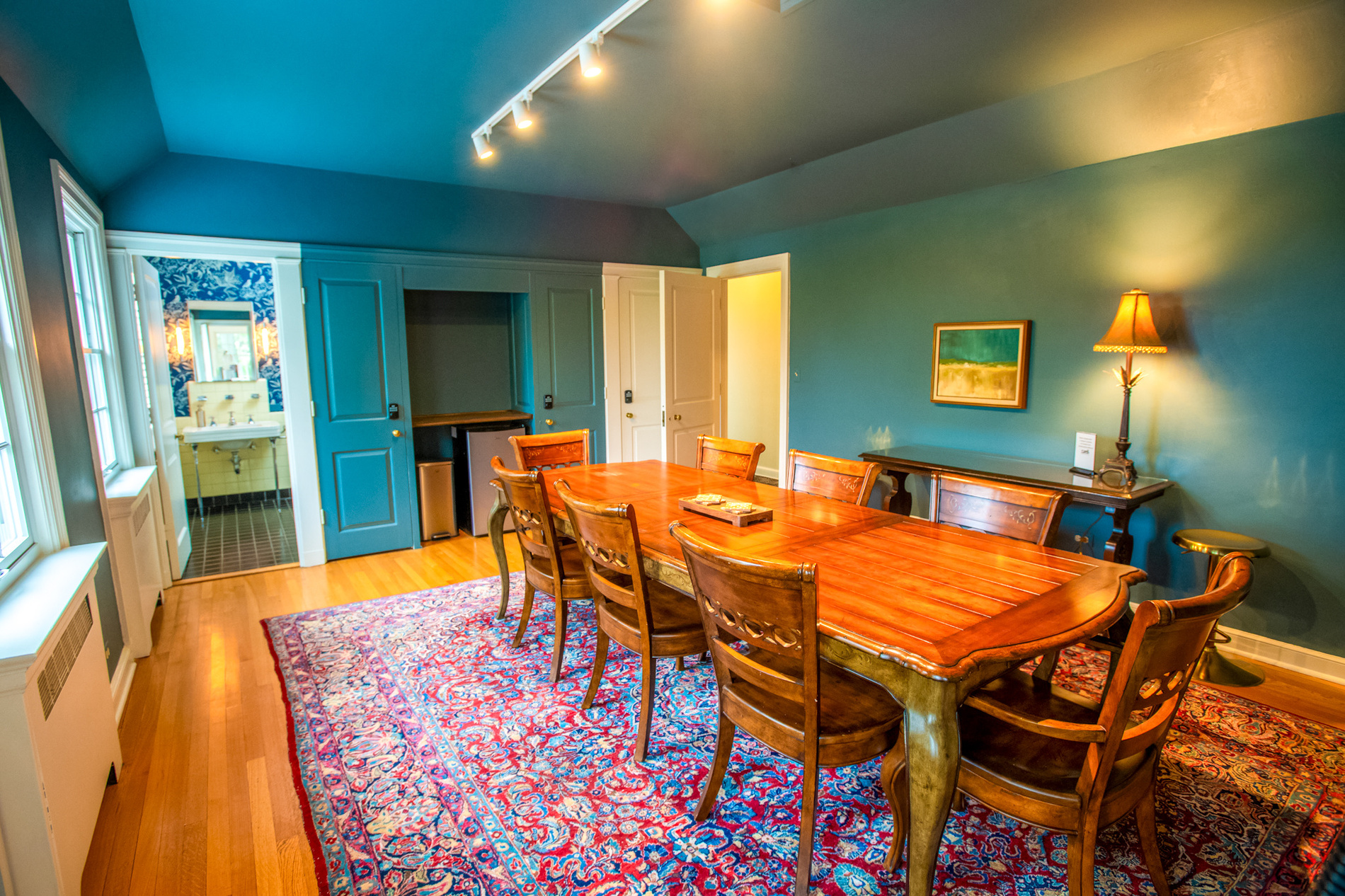
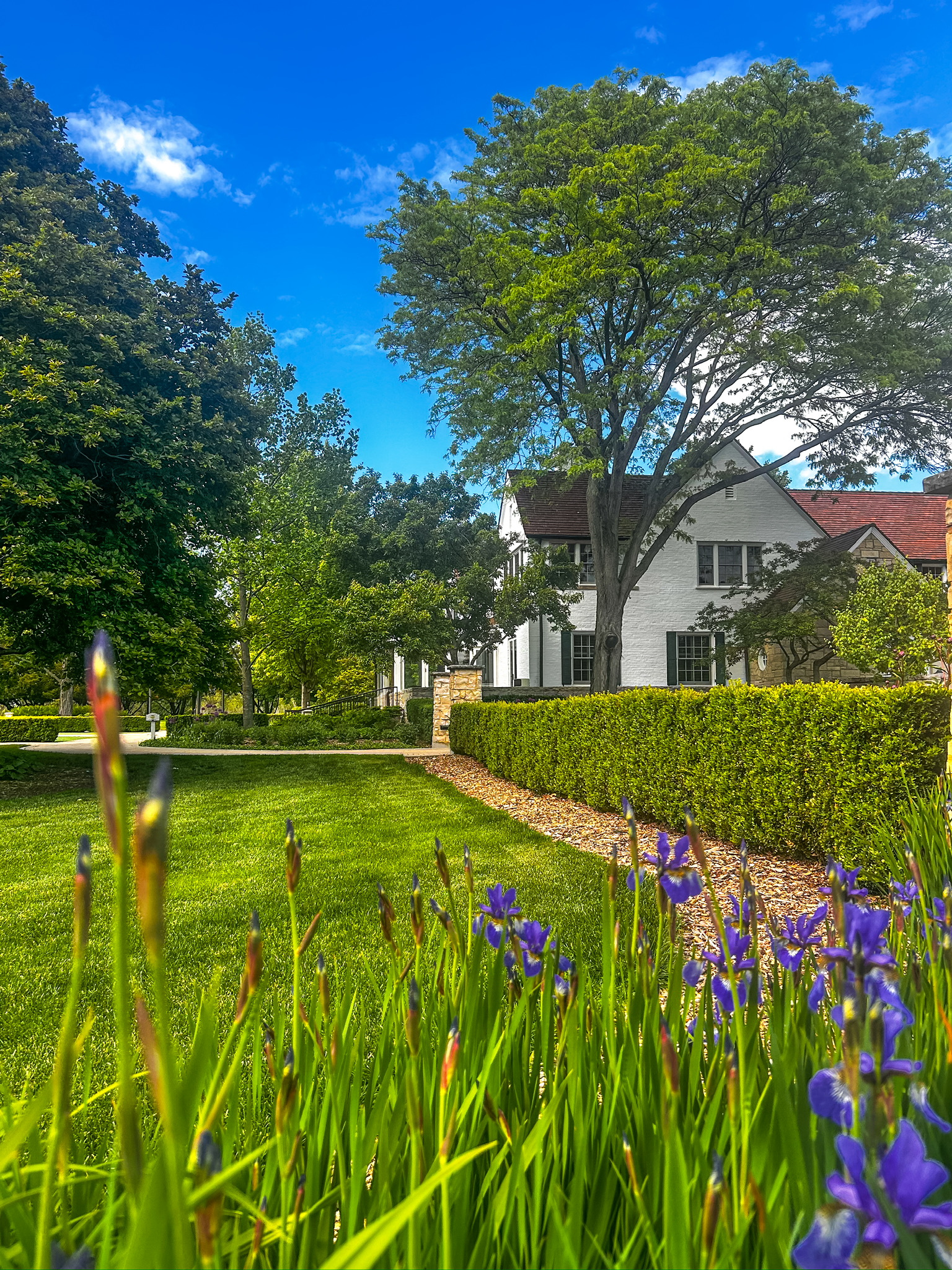
Danada House brings several of those qualities together: a historic home, established gardens, an Atrium reception space, and an equestrian landscape. Understanding the differences between venue styles helps you decide which parts of that setting matter most to you. Start with the experience you want, then look at the practical details that support it.
A Historic Estate Offers A Sense Of Place
An estate venue carries character into the celebration before the first flower arrangement arrives. Architecture, mature trees, and the relationship between the house and grounds give guests something to notice throughout the day. For couples who prefer meaningful surroundings over a heavily decorated room, that can be an important advantage.
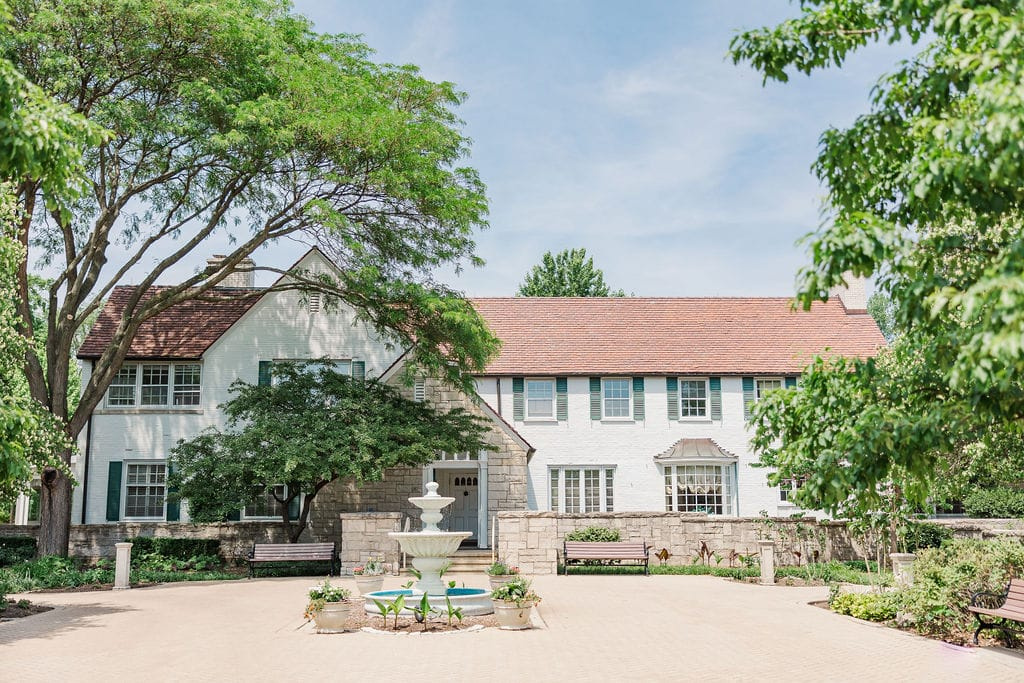
At Danada, the mansion’s connection to Dan and Ada Rice gives the property an identity beyond its wedding use. The history of the estate is part of what makes the setting memorable. An estate also requires thoughtful planning around room access and preservation, so ask where decorations, deliveries, and guest activities are appropriate rather than assuming every space is available.
A Garden Ceremony Connects You To The Season
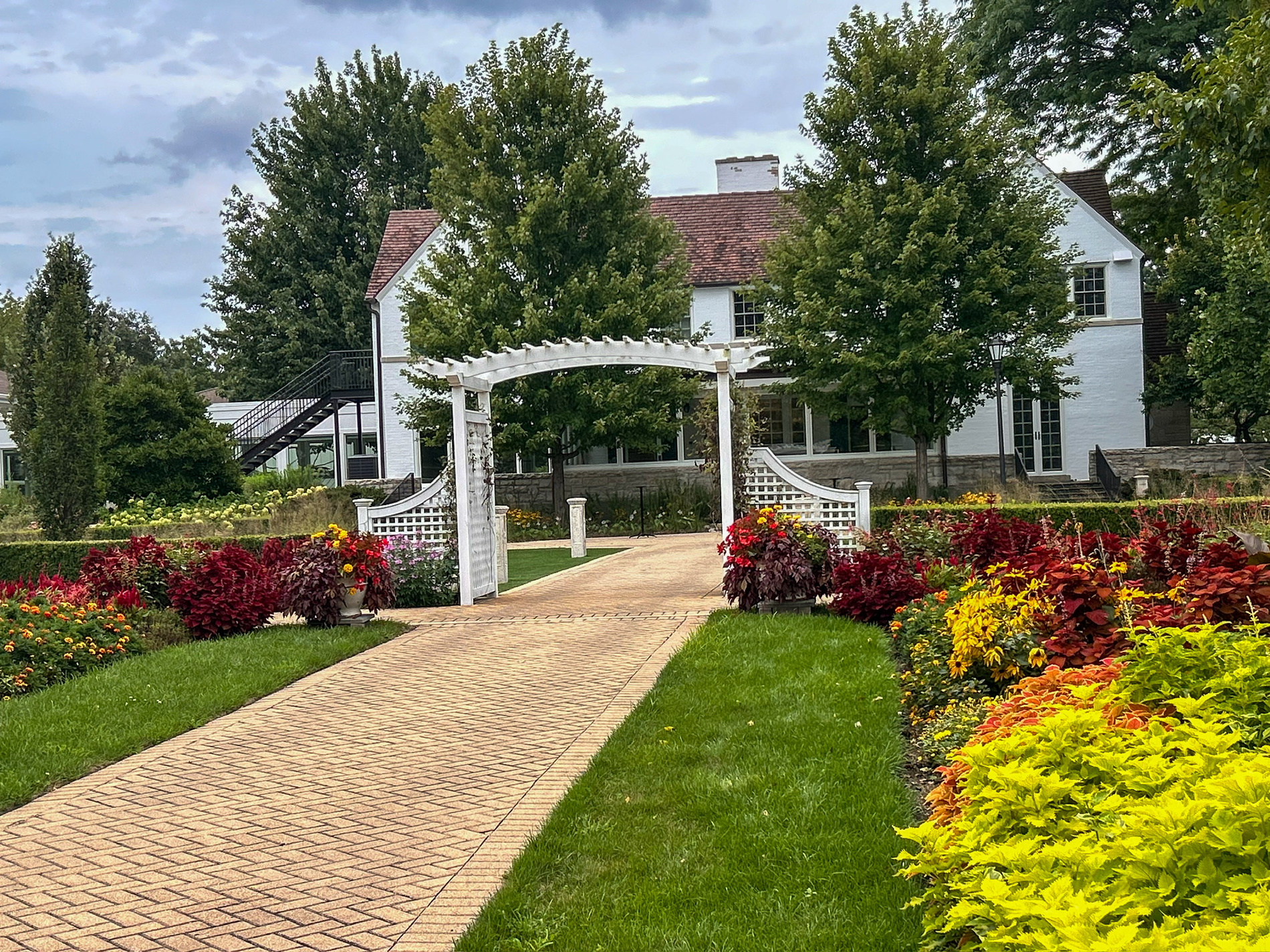
Gardens offer changing color, filtered light, and a ceremony that feels connected to the landscape. They can suit both formal arrangements and more relaxed celebrations, depending on seating, flowers, and the way you use the surroundings. The garden should feel like an extension of your day rather than a separate photo opportunity.
The seven ceremony locations at Danada House provide different views and scales, including gardens, the mansion frontage, and an indoor option. Compare shade, walking routes, sightlines, and guest count when choosing among them. A garden wedding also needs a practical rain plan, even when your preferred season usually feels promising.
A Ballroom Makes Gathering Everyone Together Simple
Ballroom-style receptions often appeal to couples who want dinner, speeches, and dancing centered in one room. A clear interior layout can make announcements easier to follow and give the entertainment team a consistent focal point. It also allows the design to rely on linens, lighting, flowers, and table placement rather than movement through several settings.
When comparing ballroom venues, ask how the room looks with your actual guest count and service style. A room’s advertised capacity does not tell you how much space remains for a band, buffet, or larger dance floor. Danada’s Atrium provides an indoor gathering space within the broader estate experience; the Atrium reception guide explains how to think through those choices.
A Barn Adds Texture And Informality
Barn settings can bring a strong connection to agricultural history, woodwork, open land, or horses. That appeal is different from choosing a ballroom and adding rustic decorations. Couples drawn to the landscape often value the setting itself, including the approach to the property and the spaces around the building.
Look carefully at what a barn venue actually includes. Climate control, finished restrooms, guest paths, kitchen access, and weather protection vary widely between properties. At Danada, the equestrian surroundings contribute to the estate’s character, but a barn backdrop should not be mistaken for permission to hold activities inside the stables. Ask the team about the locations included in your event.
Compare The Amount Of Design Work
A room with strong architectural features may need fewer decorative layers, while a simpler space may leave more room for a very specific visual concept. Neither approach is automatically less expensive. A modest-looking installation can still require substantial labor, rentals, transportation, and time to assemble safely.
Choose a few design priorities before asking vendors for quotes. You might care most about the ceremony backdrop, the dining tables, or the evening lighting. Our guide to personalizing a historic venue focuses on additions that complement the surroundings, which can help you avoid paying for décor that hides the very setting you chose.
Imagine The Room With Guests In It
Ask yourself what the setting contributes when decorations are removed from the picture. A historic home may offer familiar rooms and architectural character, while a ballroom or barn creates a different relationship between the gathering and its surroundings. That underlying feeling will still be present during the wedding.
Then imagine your guests seated for dinner, your chosen entertainment in place, and the evening beginning. The venue type should support that whole scene. A label is useful for narrowing the search, but the actual layout and atmosphere are what you will share with the people attending.
Decide Which Experience Feels Like Yours
Picture a guest moving through the day with no knowledge of your planning process. Where do they arrive, what do they see during the ceremony, and where do they settle for dinner? If the venue style helps that sequence feel comfortable and clear, it is serving your celebration well.
Bring those preferences to a Danada House tour. Tell us which parts of an estate, garden, ballroom, or equestrian setting appeal to you, along with your guest-count range and date ideas. Exploring the actual spaces will help you choose a setting that feels personal, with a layout and event plan that can support it.
Continue Planning
The Complete Guide To Choosing A Wedding Venue In The Chicago Suburbs
Your venue choice shapes much more than the view. Work through guest comfort, ceremony and reception flow, weather alternatives, and the full proposal so you can compare Chicago suburban venues with confidence.
Read The Guide
Questions To Ask During A Wedding Venue Tour
Make your venue tour useful from the first question to the follow-up email. Bring a focused worksheet covering spaces, timing, vendors, weather arrangements, and the responsibilities that need to be confirmed.
Read The Guide
The Advantages Of Hosting Your Ceremony And Reception At One Venue
Keeping your ceremony and reception together can make the day feel more connected. Consider the guest experience, portrait plans, vendor movement, and weather arrangements before choosing how to use the setting.
Read The Guide
Floral Design For A Historic Mansion And Garden Wedding
Flowers can connect the ceremony and reception while allowing the setting to remain visible. Discuss placement, movement, guest views, and practical venue requirements alongside the colors and arrangements you love.
Read The Guide