About 7 minutes to read
A wedding venue tour is your chance to move beyond photographs and understand how the property will work for your celebration. The most useful questions connect the setting to your guest list, timing, vendors, and budget. You should leave knowing what is included and which decisions still need attention.
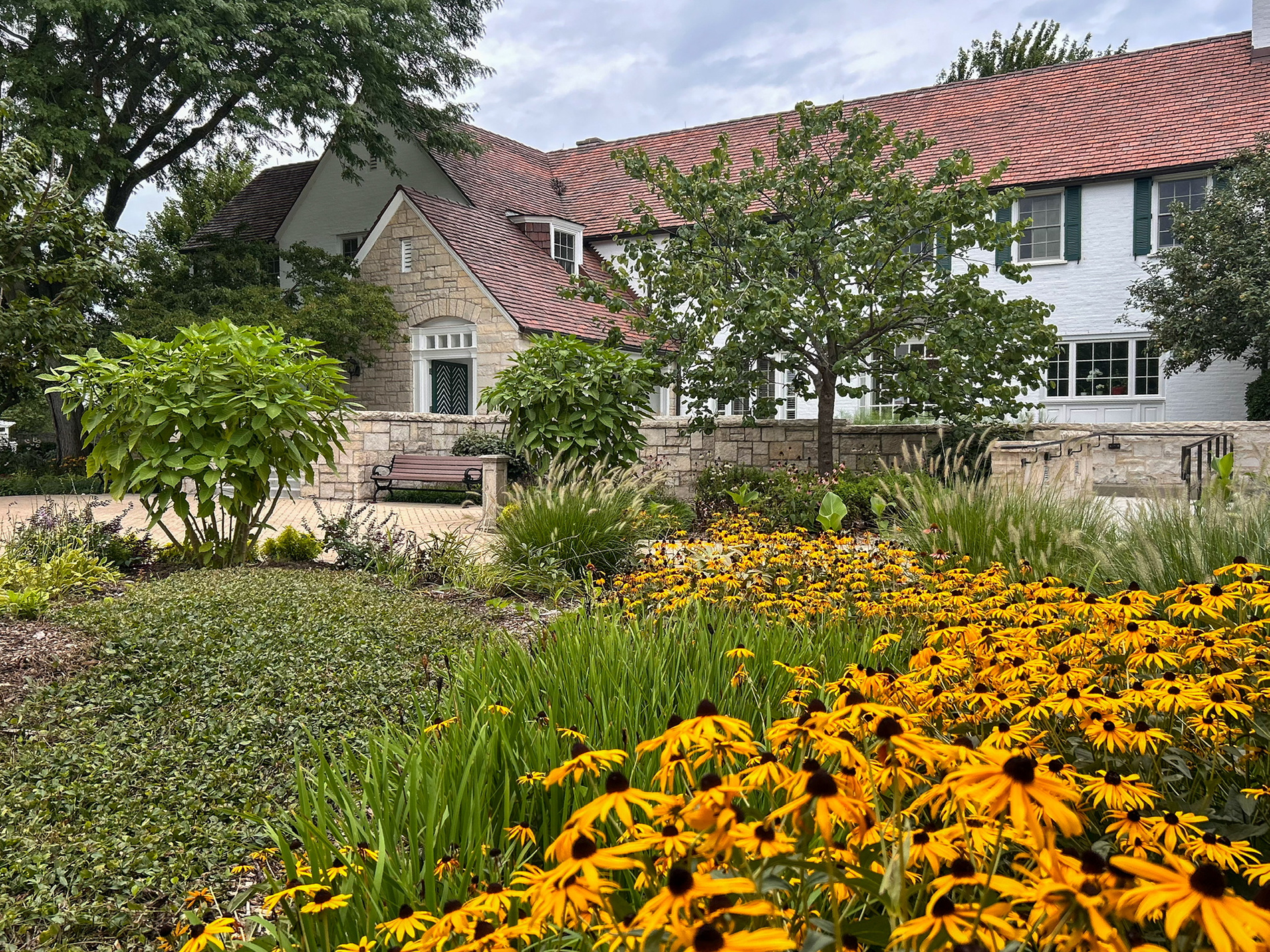
At Danada House, a visit lets you compare garden settings, explore the mansion, and talk through an Atrium reception. Bring your estimated guest count and a few possible dates, along with the details that matter most to you. A focused conversation will tell you more than a checklist of questions that do not apply to your event.
What Does Our Rental Include
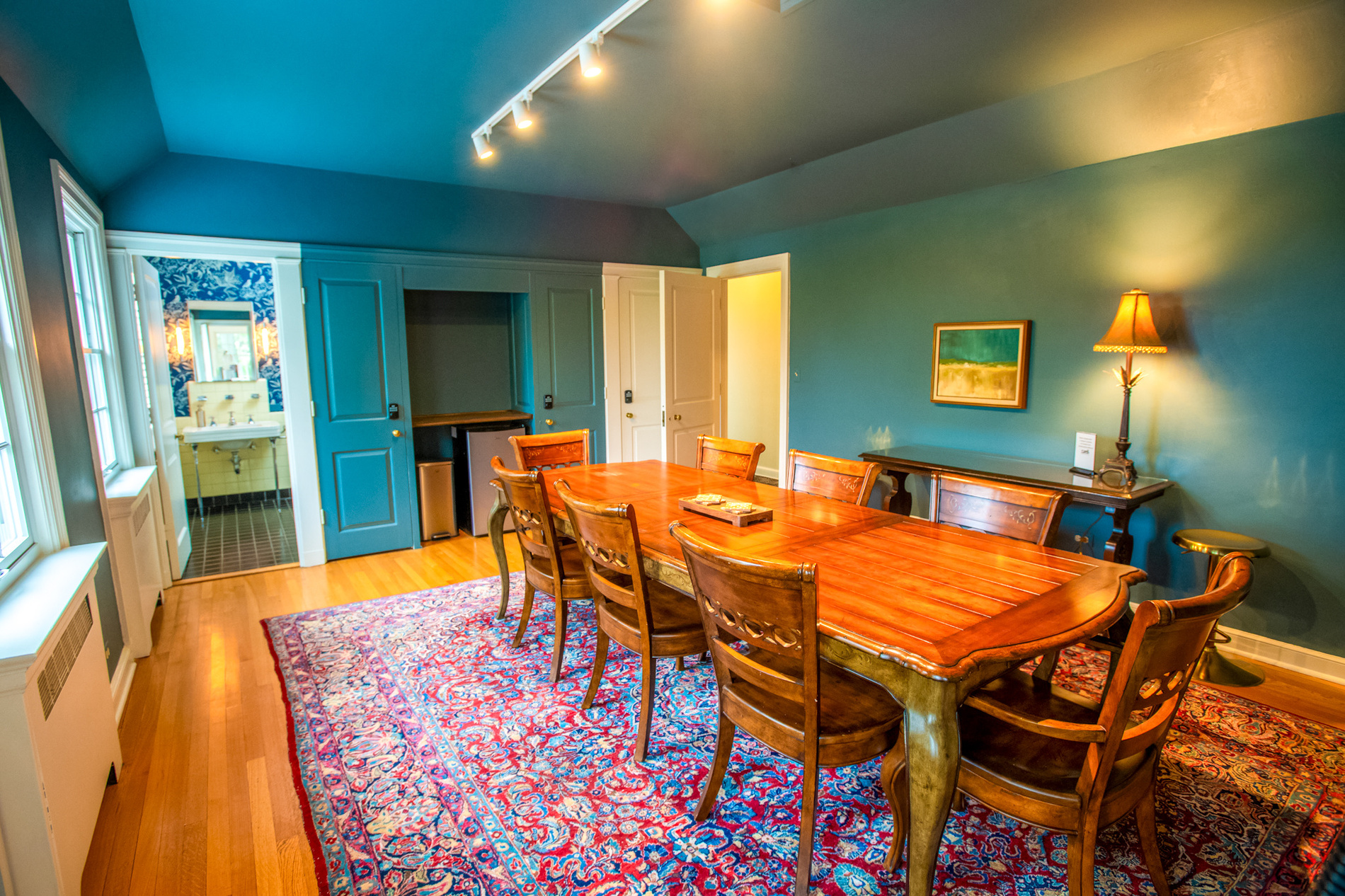
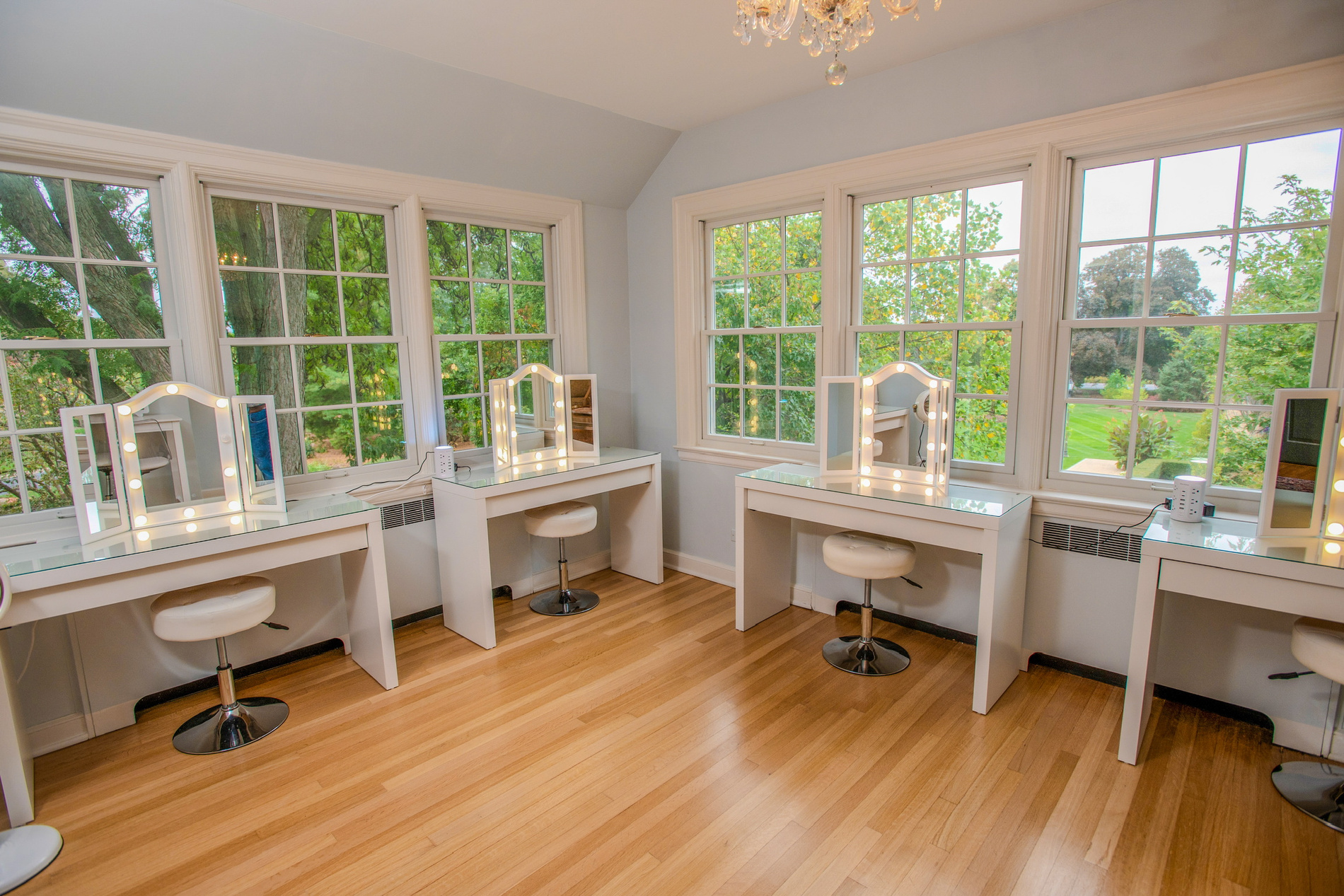
Ask which spaces are part of the proposal and when you can use them. Getting-ready rooms, outdoor ceremony areas, and reception space may serve different purposes within the rental, so discuss each one clearly. Also ask about tables, chairs, staff support, and any items your caterer or rental company will need to supply.
Look at the current rates alongside the written proposal. Confirm whether an optional fee adds access, equipment, or time, and whether the security deposit is separate from the rental payment. A clear answer should let you explain the package to another family member without guessing about what a broad phrase such as full venue access means.
How Will This Space Work For Our Guest Count
Ask to see a suggested arrangement for the number of guests you expect. Include dinner tables, the dance floor, entertainment, and food service in that discussion. The question is whether your celebration fits comfortably, not simply whether the venue can accommodate a certain number of people.
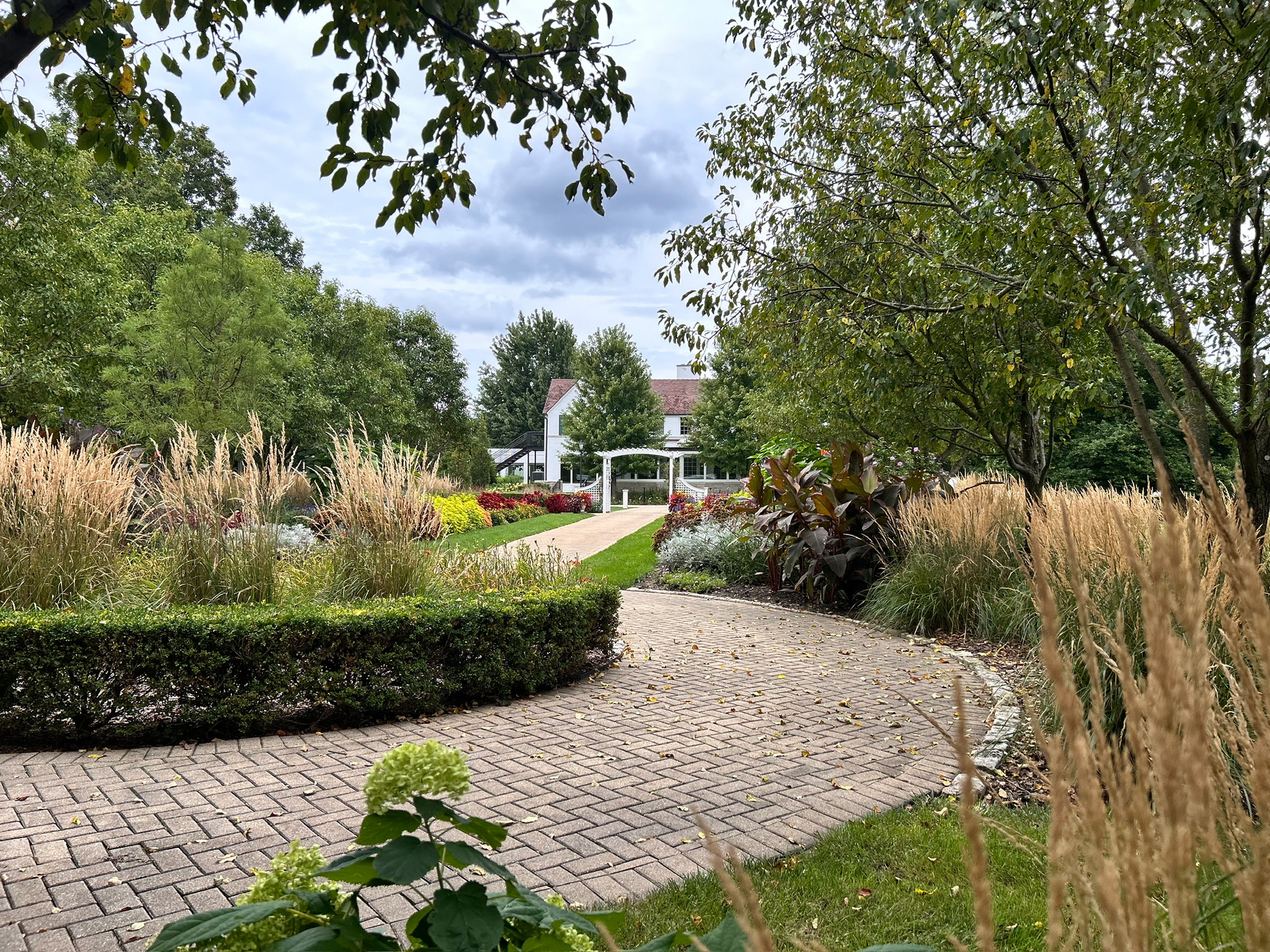
For the ceremony, compare the published capacity and the actual seating arrangement in each setting. At Danada, the ceremony-location guide is a useful starting point because the gardens and mansion frontage have different scales. Ask where guests with mobility needs would sit and how they would reach the reception without an unnecessary detour.
What Happens If The Weather Changes
Walk through the indoor ceremony arrangement during the tour, even if you are hoping for a garden wedding. Ask who makes the weather decision, when that decision needs to happen, and who moves or resets the furniture. Discuss where guests and the wedding party would wait while the space is being prepared.
A backup room should support the same meaningful moments as the outdoor plan. Your florist may need an arrangement that can move, and your entertainment team may need an indoor microphone setup. Our rain-plan article will help you identify the practical questions that are easy to overlook when the tour takes place on a beautiful day.
Which Vendors Do We Need To Use
Danada requires an approved caterer, so ask for the current list and discuss the style of service you want before requesting proposals. You might prefer a plated meal, buffet, or a menu connected to a family tradition. Clarifying that direction helps the caterer price an event that matches your needs.
Ask which other vendors are recommended, whether outside professionals can participate, and what documentation they need. Distinguish the venue’s rules from an individual vendor’s package. The vendor resources can help you begin, while our caterer-selection guide explains how to compare menus, staffing, equipment, and cleanup responsibilities.
Who Handles Each Part Of The Day
Ask what the on-site venue representative does and what remains with your planner, coordinator, caterer, or family. Someone needs to manage the ceremony lineup, vendor arrivals, announcements, personal belongings, and end-of-night collection. Having a staff member present does not automatically mean every coordination task is covered.
Discuss your proposed wedding-day timeline during the visit. Identify the person who will answer questions on your behalf once you are getting ready. A tour is a good time to clarify responsibility because you can point to the actual spaces where each handoff will happen.
Ask How Changes Are Confirmed
Planning details will develop after the tour, so ask how the venue documents changes to timing, layout, or access. Find out which contact handles those questions and whether a revised agreement or written approval is needed. Keeping that process clear prevents a casual conversation from becoming an assumption that a service has been added.
Save the answers with your notes, including the date of the visit. If you compare another venue several weeks later, you can return to the written information instead of relying on a memory of what sounded possible during the tour.
Bring A Short Tour Worksheet
Turn your questions into a worksheet with room for the answer and the next action. A tour moves quickly, and an answer that feels clear while you are standing in a room can become harder to remember once you have visited several venues. Write down who answered the question and whether a follow-up document will confirm it.
Start with the decisions that could change your choice of venue. These might include the ceremony arrangement, indoor alternative, overall spending plan, vendor requirements, or a particular guest need. Décor preferences are worth discussing, but they should not push a practical requirement out of the conversation. A worksheet helps you leave with the answers you came for.
| Ask | Leave With |
|---|---|
| What spaces are included? | A clear description of the agreed areas |
| When can everyone arrive? | Access and setup expectations |
| What remains separately arranged? | A list of services and decisions still needed |
| How do we confirm changes? | The appropriate contact and written process |
Ask To See The Transition
Instead of discussing each room separately, ask how one part of the day becomes the next. Where will guests go after the ceremony? Who will direct them? What needs to be moved, and which vendor is responsible for that work? These questions connect the setting you see on the tour with the experience your guests will have.
Choose one transition that matters especially to you and follow it carefully. For example, if family photographs will happen while guests enjoy cocktail hour, ask how both activities can be supported at the same time. Consider the route, the people who need to be present, and any shared furniture or equipment. You do not need a finished schedule during the first tour, but you should understand the coordination the plan will require.
Ask the same question about the weather alternative. You may discover that a decorating idea works in either location, or that a delivery should happen earlier to keep a guest route clear. These are useful discoveries while your plans are still flexible.
Separate A Preference From A Requirement
Use phrases that make your priorities easy to understand. Say that a relative needs a particular access arrangement, or that keeping the ceremony and reception in one setting is important to you. Then ask what the venue can confirm and what requires coordination with another person. Clear questions make it easier for the team to give you useful answers.
After the visit, review your notes together before contacting the next venue. Mark the questions that remain open and send one organized follow-up message. A good tour does not need to settle every floral or entertainment decision. It should leave you able to explain the proposed celebration, identify the remaining decisions, and understand what booking would commit you to.
What Are The Decorating And Timing Rules
Bring photographs of any installation or send-off idea that is important to you. Ask about attachment methods, candles, floor effects, delivery access, and removal deadlines before you hire the vendor. The event policies should guide those choices, especially in a historic property where a decoration must protect the surroundings as well as look attractive.
Finally, confirm the steps for reserving a date and the deadlines that follow. Write down open questions before leaving, then send them together so the answers remain easy to track. To arrange your visit, contact Danada House with your date options and guest-count estimate. We can help you turn the tour into a useful first planning conversation.
Continue Planning
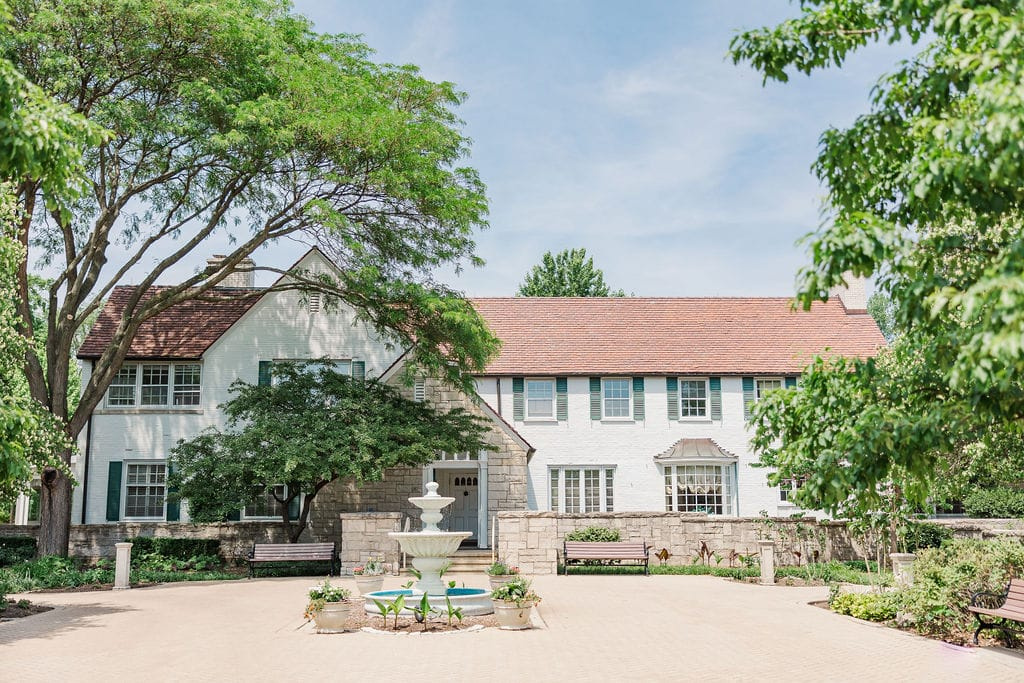
The Complete Guide To Choosing A Wedding Venue In The Chicago Suburbs
Your venue choice shapes much more than the view. Work through guest comfort, ceremony and reception flow, weather alternatives, and the full proposal so you can compare Chicago suburban venues with confidence.
Read The Guide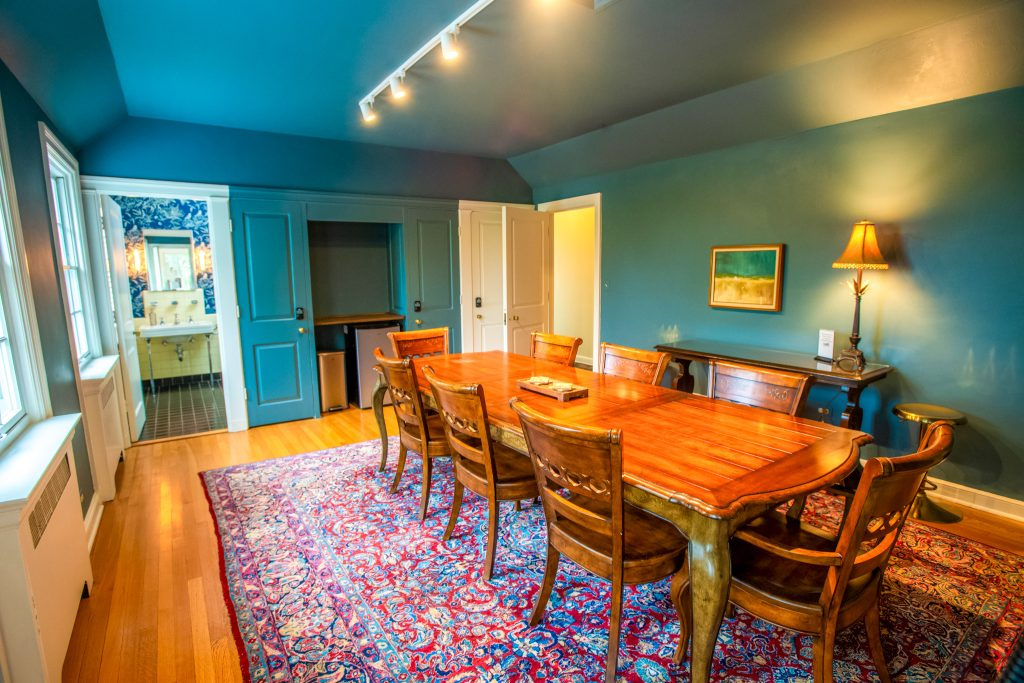
Understanding Wedding Venue Pricing In The Chicago Suburbs
Look beyond a single rental figure when comparing wedding venues. Understand the services, timing, vendor arrangements, and optional choices that belong in a realistic proposal before you make your decision.
Read The Guide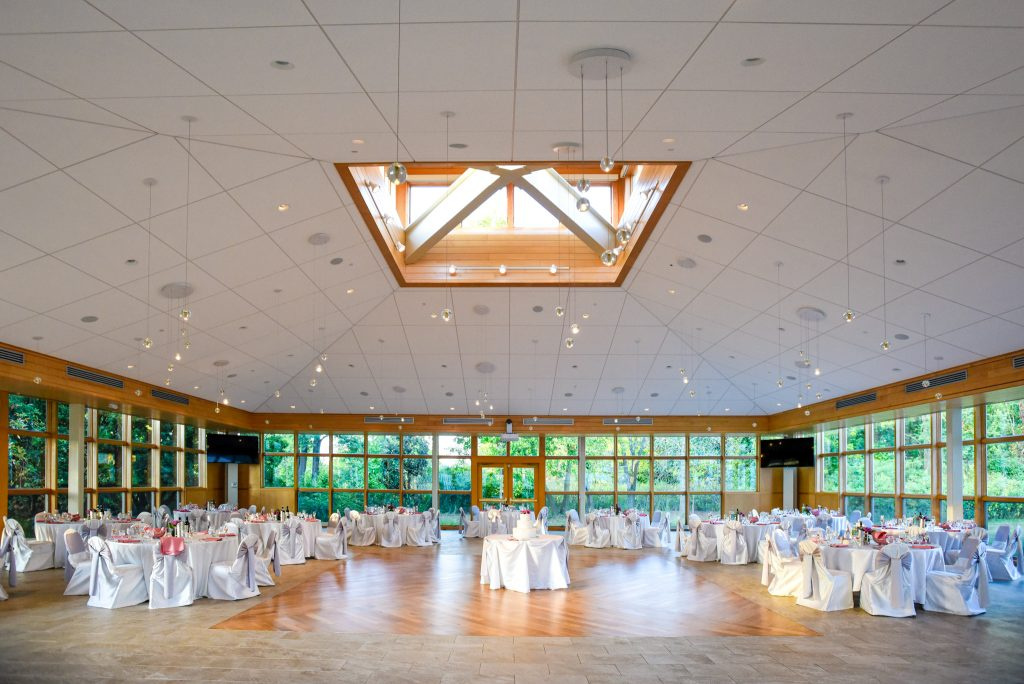
Planning The Right Venue Layout For 75, 150 Or 250 Wedding Guests
A comfortable wedding layout begins with how people will use the space. Think through seating, service routes, gathering points, and the ceremony alternative as you plan for your expected attendance.
Read The Guide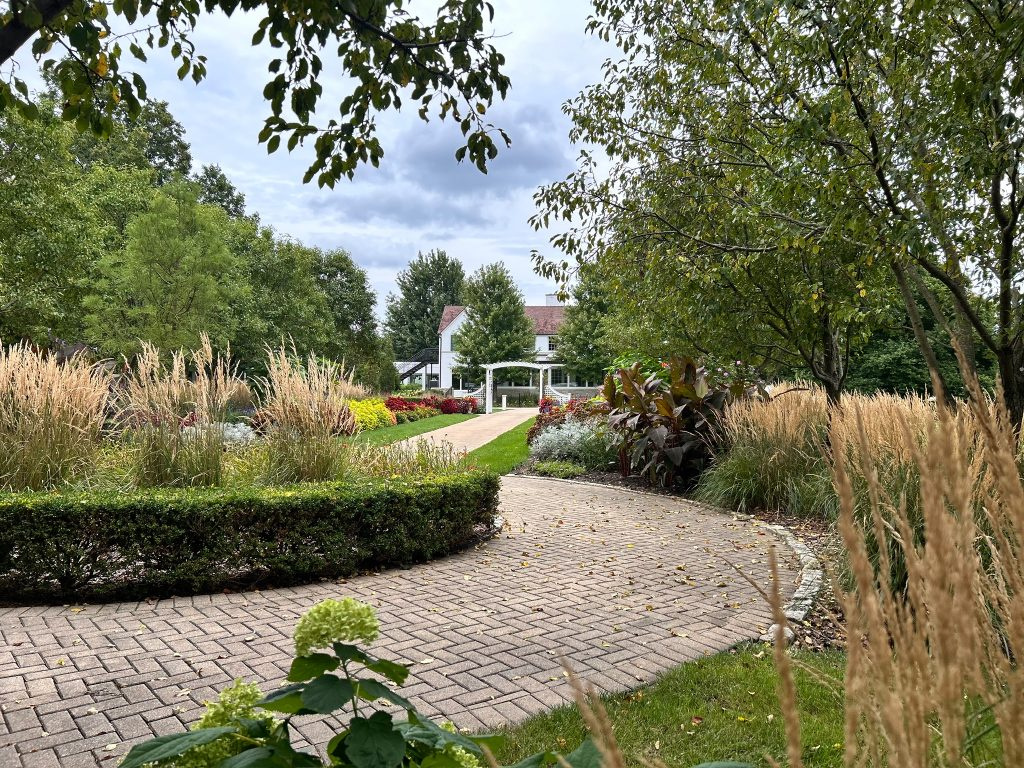
The Final Wedding Venue Walkthrough Checklist
Use the final walkthrough to turn plans into clear responsibilities. Bring the current drawing, timeline, questions, and decision log so the venue and vendors leave with the same practical picture of your day.
Read The Guide