About 6 minutes to read
A wedding-day timeline is most useful when it helps people work together. At Danada House, the ceremony, gardens, mansion, and Atrium can create a lovely sequence of places and moments. The schedule connects that sequence with vendor access, portraits, food service, music, and the time needed for guests to move comfortably.
Begin with the rental period in your agreement rather than a sample timeline found online. Danada’s published planning information distinguishes access for setup and cleanup from the hours of the guest event. Confirm those boundaries first, then give each important moment enough space to happen without asking the next one to begin before it is ready.
Establish The Fixed Points
Write down vendor access, the planned ceremony start, dinner timing, the end of the guest event, and the required completion of cleanup. These are the points other activities must fit around. Your agreements may contain additional deadlines that should appear on the schedule.
The event-planning page offers general information, while the venue team confirms the details for your booking. If a desired ceremony time requires earlier setup, discuss access before telling vendors to arrive. Extra time should be agreed and priced as applicable rather than assumed because the timeline needs it.
Ask Vendors For Realistic Durations
Your photographer can estimate portraits, your caterer can explain service, and your entertainment team can describe setup and sound checks. Gather these estimates before assembling the schedule. A plan based on actual work is more dependable than one that gives every activity an identical short interval.
Include movement and preparation between events. Family members need time to gather for photographs, guests need time to find dinner seats, and a band may need a transition before performing. Our day-flow guide helps you consider those intervals as part of the celebration rather than as empty time.
Protect The Ceremony Preparations
Work backward from the ceremony to include dressing, flowers, personal moments, and any portraits beforehand. Confirm where the wedding party waits and who helps organize the processional. Important items such as rings, readings, and ceremonial objects should have named carriers rather than simply appear on a packing list.
The officiant should provide the expected ceremony length based on the version you have chosen. Readings, music, traditions, and family participation can change that duration. Share the estimate with the photographer, caterer, and coordinator so the rest of the schedule reflects the real ceremony rather than a generic example.
Make Cocktail Hour And Portraits Compatible
Decide which photographs happen after the vows and how long they need. If you want to join your guests during cocktail hour, ask what can be completed earlier or grouped more efficiently. A short family list and someone who knows the relatives can save more time than an unrealistically compressed schedule.
Meanwhile, guests need a comfortable gathering place and refreshments. The cocktail-hour guide connects that experience with dinner. Make sure someone is responsible for guest questions while you are with the photographer, and confirm when the reception entrance and seating display will be ready.
Build Dinner Around Service
Agree with the caterer on dinner timing and the placement of speeches, introductions, and dances. Food service should not be interrupted repeatedly by events that require the team’s attention elsewhere. Your DJ or band needs the same schedule so announcements support the meal.
Decide which reception traditions matter to you and leave out the ones you do not want. A wedding does not need to include every item on a sample schedule. The entertainment guide helps you discuss the evening’s rhythm, including the move from dining to an open period of dancing and conversation.
Prepare The Weather Version
The indoor ceremony may require a different setup, portrait sequence, or reception reset. Review those changes with the venue and vendors before the wedding week. Keep the alternate schedule close to the main one where practical, and clearly identify the differences.
Our rain-plan guide includes the people who need to know when a decision is made. One person should distribute the change so teams do not receive conflicting instructions. A weather version is most reassuring when everyone understands how to carry it out without a new planning discussion that morning.
Include a small amount of breathing room around the moments most likely to vary. A portrait grouping, a long welcome, or the move into dinner can take longer without becoming a crisis. Your coordinator can help decide where that flexibility belongs while protecting food service and the agreed ending.
Write Cues As Well As Times
A timeline becomes more useful when it says who gives the cue for each transition. A line that simply says ceremony entrance leaves several people needing to guess whether everyone else is ready. Identify the person coordinating the entrance and the people who need to acknowledge that cue, such as the officiant, musicians, or photographer.
Use the same approach for dinner service, toasts, and dancing. The cue should reflect the arrangement agreed with the people doing the work. An entertainment professional should not have to discover during the reception that a speech depends on a particular service task being complete. Clear cues connect the schedule to what is actually happening in the room.
Distinguish A Flexible Moment From A Dependency
Some parts of the day can move a few minutes without affecting much else. Others depend on a room being prepared, a meal being ready, or particular people being present. Mark those dependencies in your working timeline. Ask each vendor which moments affect their own setup or service so that flexibility is based on real information.
When an activity takes longer than expected, the team needs to know which later decision can absorb the change. Do not assume the answer is always to shorten photography, move dinner, or extend the evening. Those choices affect different people and may have contractual or practical limits. Discuss the options in advance and agree who can make the adjustment.
Protect small transitions too. Guests need time to leave one setting and become comfortable in the next, and family members may need help finding their place for portraits. A timeline that recognizes those moments will usually be easier to follow than one filled with consecutive tasks and no space between them.
| Include | Why It Helps |
|---|---|
| Time or sequence | Places the activity within the day |
| Location | Tells people where the activity happens |
| Responsible contact | Identifies who coordinates the moment |
| Cue and dependency | Explains what must be ready before it begins |
Give Guests A Simpler Version
Your vendor timeline may include access, setup, service, equipment, and cleanup details. Guests generally need a smaller set of instructions: where to arrive, when the ceremony begins, what to expect next, and how departure will work. Share that information clearly without circulating a document full of details that do not help them.
Keep the guest-facing information consistent with the working timeline, especially after a weather decision or transportation change. If a contact will answer questions on the day, make sure that person has the current version. The best schedule is not the most elaborate one. It is the one that gives each person enough information to do their part while allowing you to enjoy the celebration.
Assign The Ending As Carefully As The Beginning
Include guest transportation, the final musical moment, collection of gifts, vendor removal, and cleanup. Name the people who handle personal belongings and décor. These tasks should not depend on the two of you leaving the celebration to locate containers or supervise packing.
At the final walkthrough, approve one dated schedule and share it with the relevant contacts. Keep a readable version for the wedding day, with phone numbers and clear responsibilities. The timeline should become a quiet support for the celebration, allowing you and your guests to enjoy each moment while the team understands what comes next.
Continue Planning
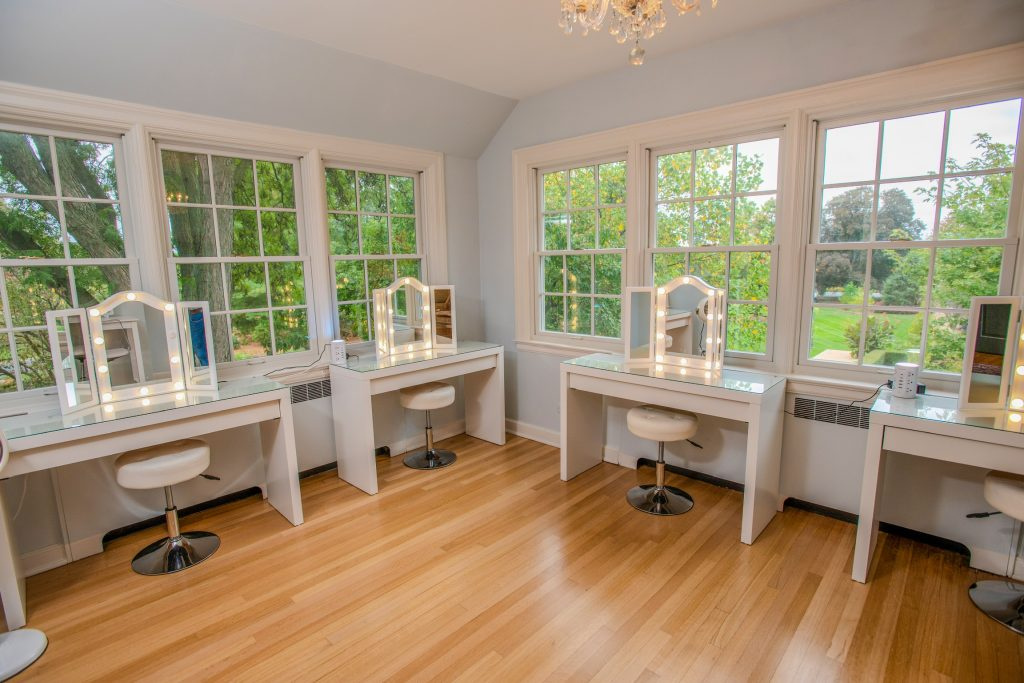
Creating An Outdoor Wedding Rain Plan You Will Actually Love
An indoor ceremony deserves the same care as your first plan. Coordinate the weather decision, guest arrival, flowers, sound, and photographs so the alternative feels considered and welcoming.
Read The Guide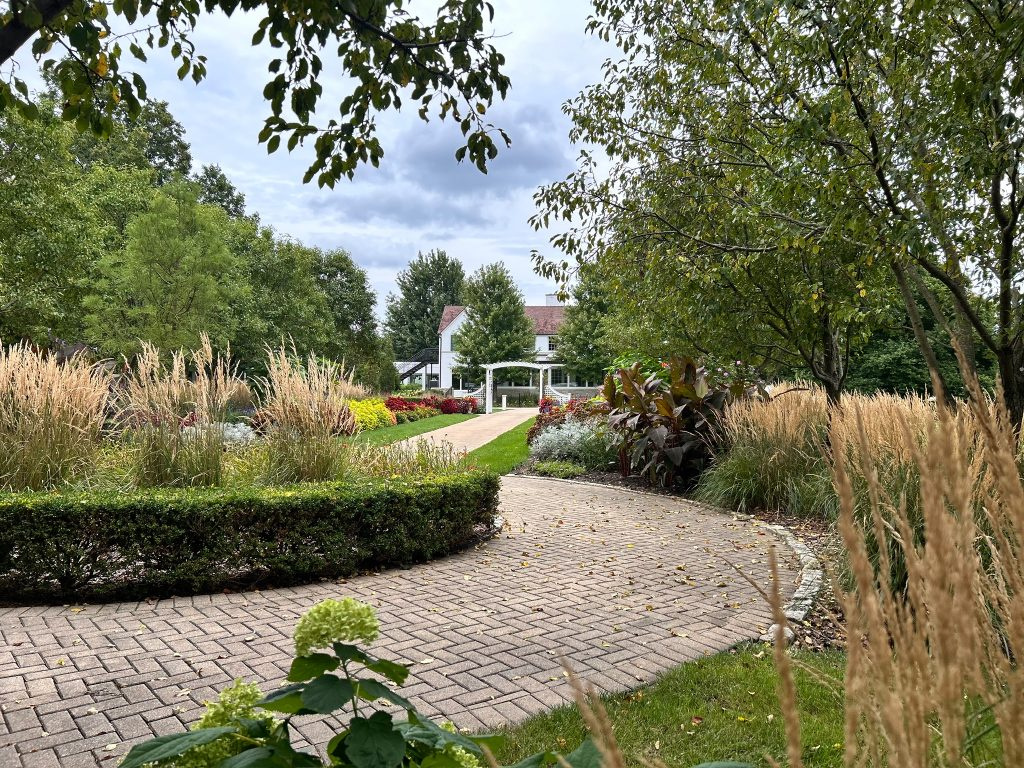
Creating A Natural Wedding-Day Flow Through The Mansion, Gardens And Atrium
A celebration feels easier when each transition has been considered. Follow the journey through portraits, ceremony, cocktail hour, and the reception to connect the mansion, gardens, and Atrium thoughtfully.
Read The Guide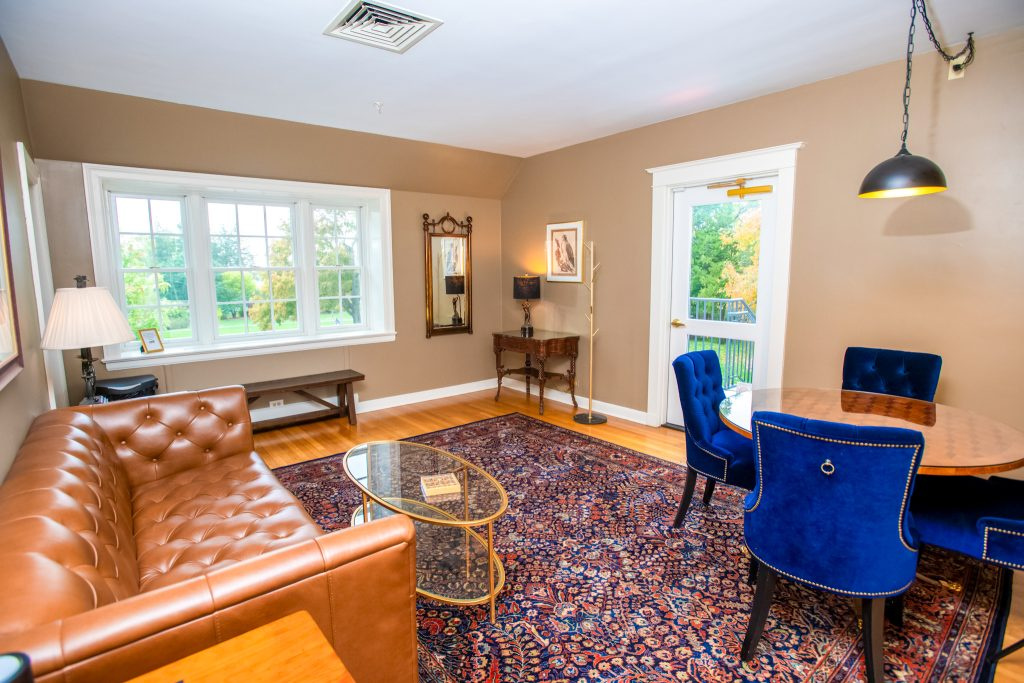
How To Plan A Cocktail Hour Your Guests Will Actually Enjoy
Cocktail hour can welcome guests while giving the wedding party time for other moments. Coordinate refreshments, seating, portraits, and directions so the interval feels like part of the celebration.
Read The Guide
Wedding Planning Checklist and Guide
Give your planning decisions a useful order from booking through the wedding day. Connect venue questions, vendor arrangements, guest information, and the final walkthrough without treating every task as equally urgent.
Read The Guide