About 4 minutes to read
A wedding at Danada House can unfold through several settings: the mansion, a garden ceremony, a gathering over refreshments, and the Atrium reception. That variety is part of the pleasure of the place. It also makes the transitions between moments worth planning with care.
Guests do not experience the day as separate vendor schedules. They experience an arrival, a ceremony, a welcome, a meal, and an evening together. A thoughtful flow connects those moments so that everyone knows where to go and you have time to enjoy the celebration rather than continually prepare for the next part.
Begin At The Arrival
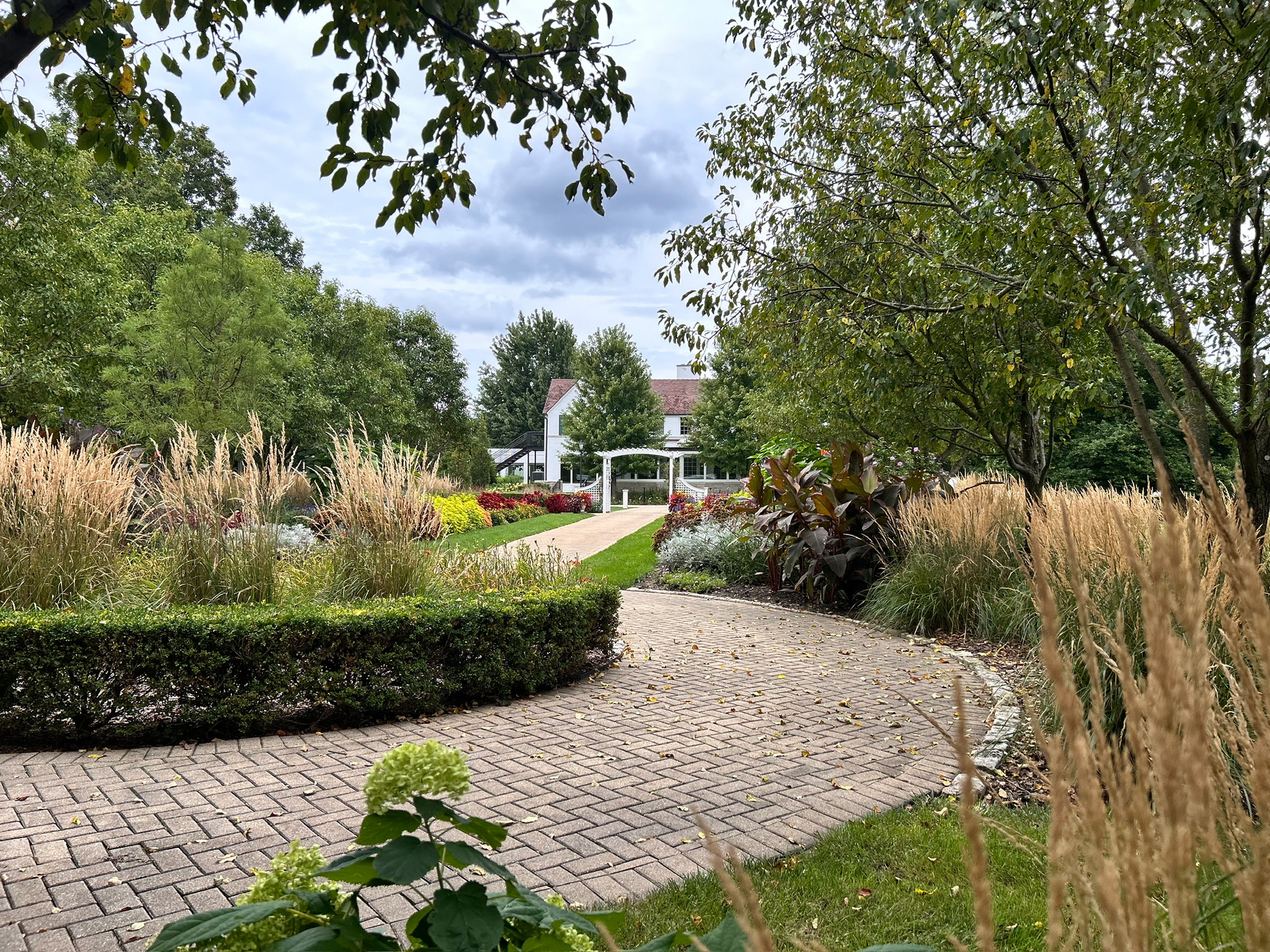
Walk the guest route during your tour, starting at the place people will park. Ask which entrance they should use, who directs them, and where they wait if they arrive early. The answer may vary with your ceremony setting and whether the weather keeps the event indoors.
Confirm that instructions on your wedding website match the approved plan. Danada House’s address is 3S501 Naperville Road in Wheaton, but an address alone does not tell guests where the ceremony begins. Our guest guide helps you gather the practical information people need before they leave home.
Give Preparations Their Own Time
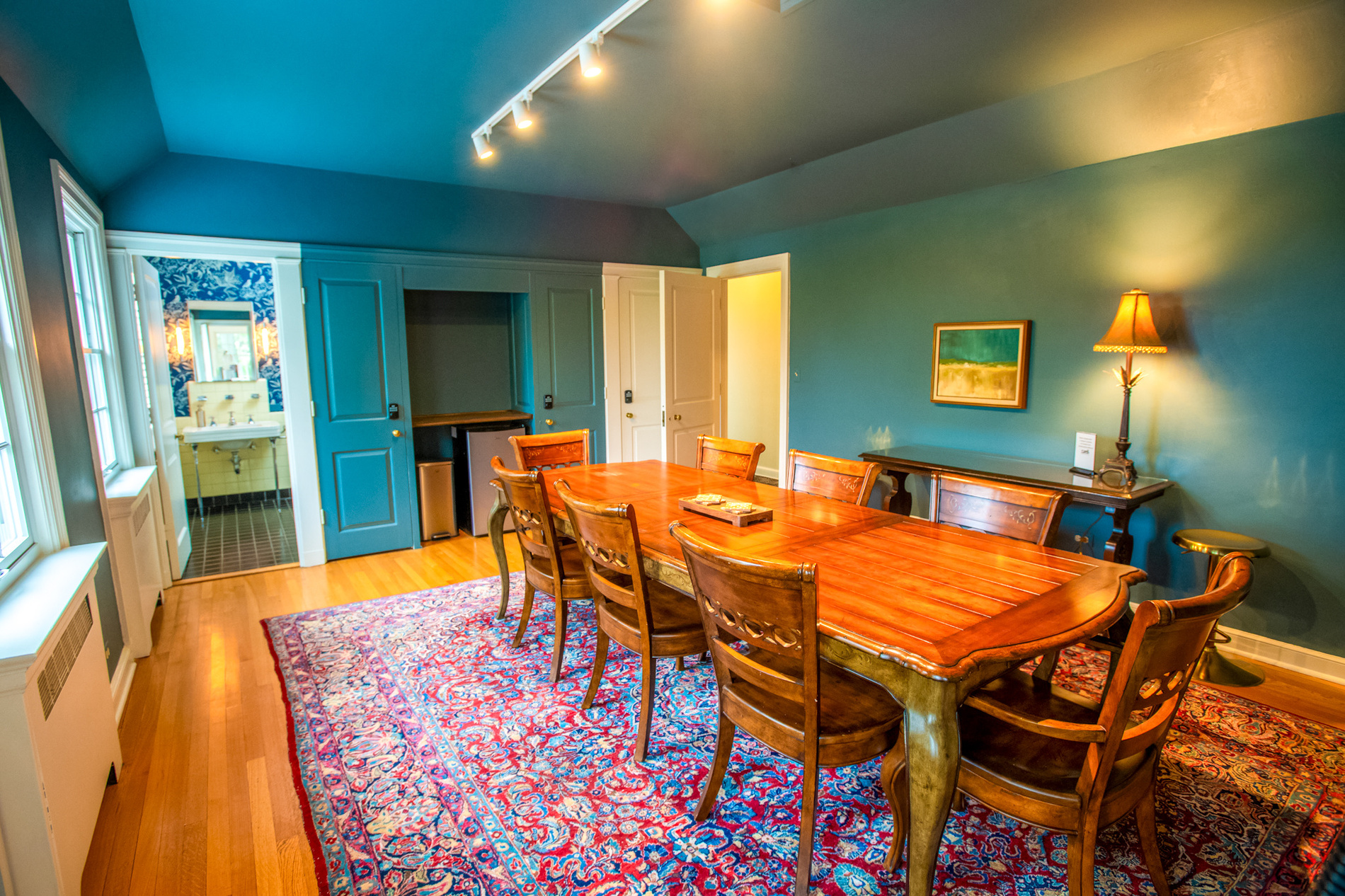
If you plan to use approved areas of the mansion before the ceremony, discuss the access included in your agreement. Confirm who may be there, when vendors can enter, and where personal belongings should be kept. Do not assume every room is available simply because it appears in a photograph.
Build time for dressing, private moments, and any early portraits without crowding the processional. A clear plan also identifies who carries flowers, rings, or ceremonial objects to the right place. These small responsibilities are easier to handle when they have been assigned before everyone is getting ready.
Let The Ceremony End Gracefully
When the ceremony finishes, guests need a clear invitation to the next gathering. Ask the officiant or coordinator to explain where refreshments will be served and how people should proceed. A gentle announcement can prevent guests from waiting beside the chairs while the wedding party disappears for photographs.
Consider whether you want to greet people immediately or join them later. A receiving line can be meaningful, but it changes the amount of time available for portraits and cocktail hour. Decide on that choice with the photographer and caterer rather than adding it unexpectedly after the vows.
Keep Cocktail Hour Welcoming
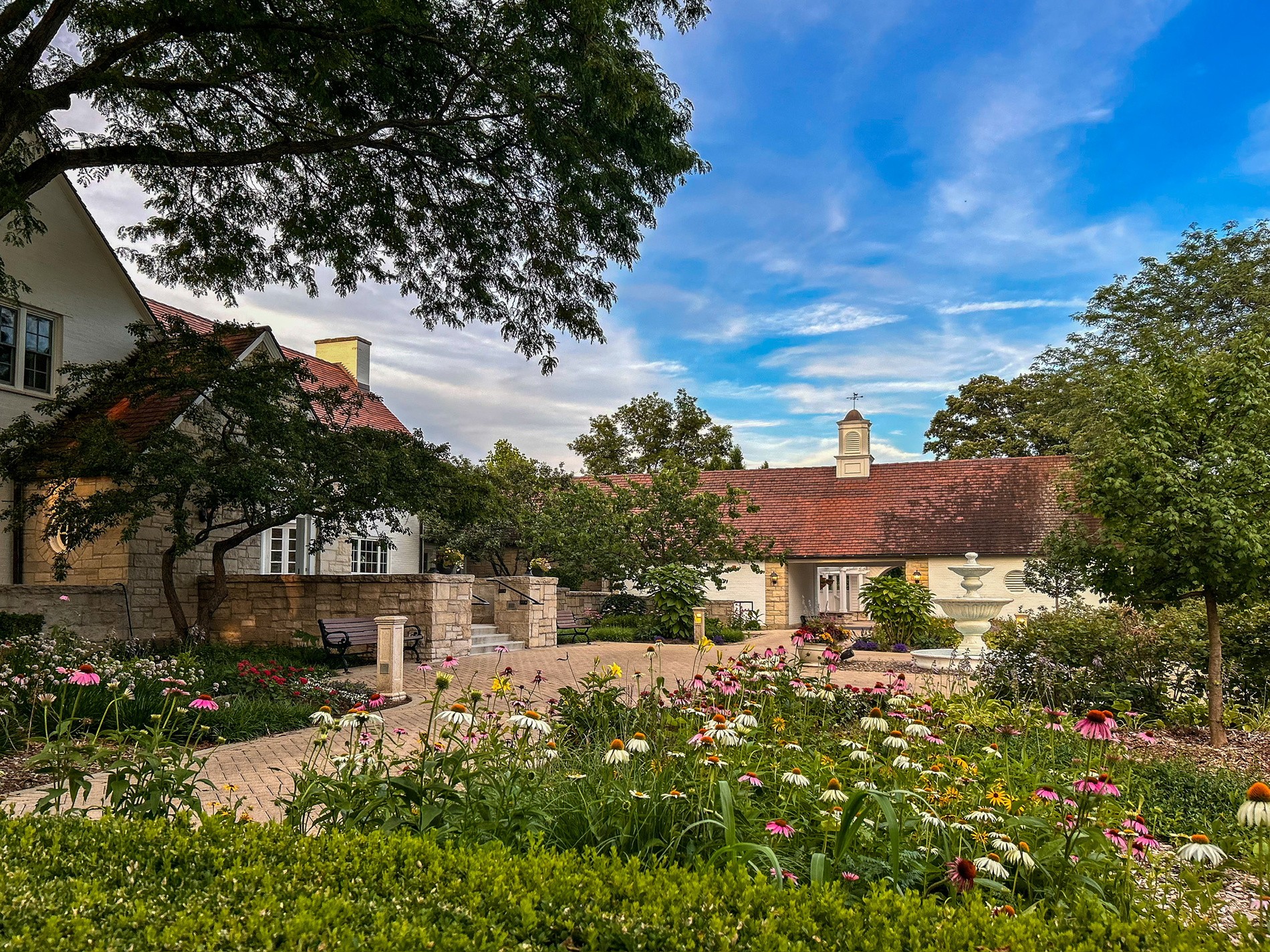
Cocktail hour should have a recognizable place, refreshments arranged through the approved caterer, and enough seating for those who need it. Discuss how people will move around service areas and where they can gather comfortably. The setting may change with weather, so the indoor alternative deserves its own arrangement.
Our cocktail-hour guide looks at those details more closely. If you are taking portraits during this period, identify a coordinator who can manage guest questions. You should not have to leave a family photograph to answer a question about when the reception doors will open.
Make The Move To Dinner Clear
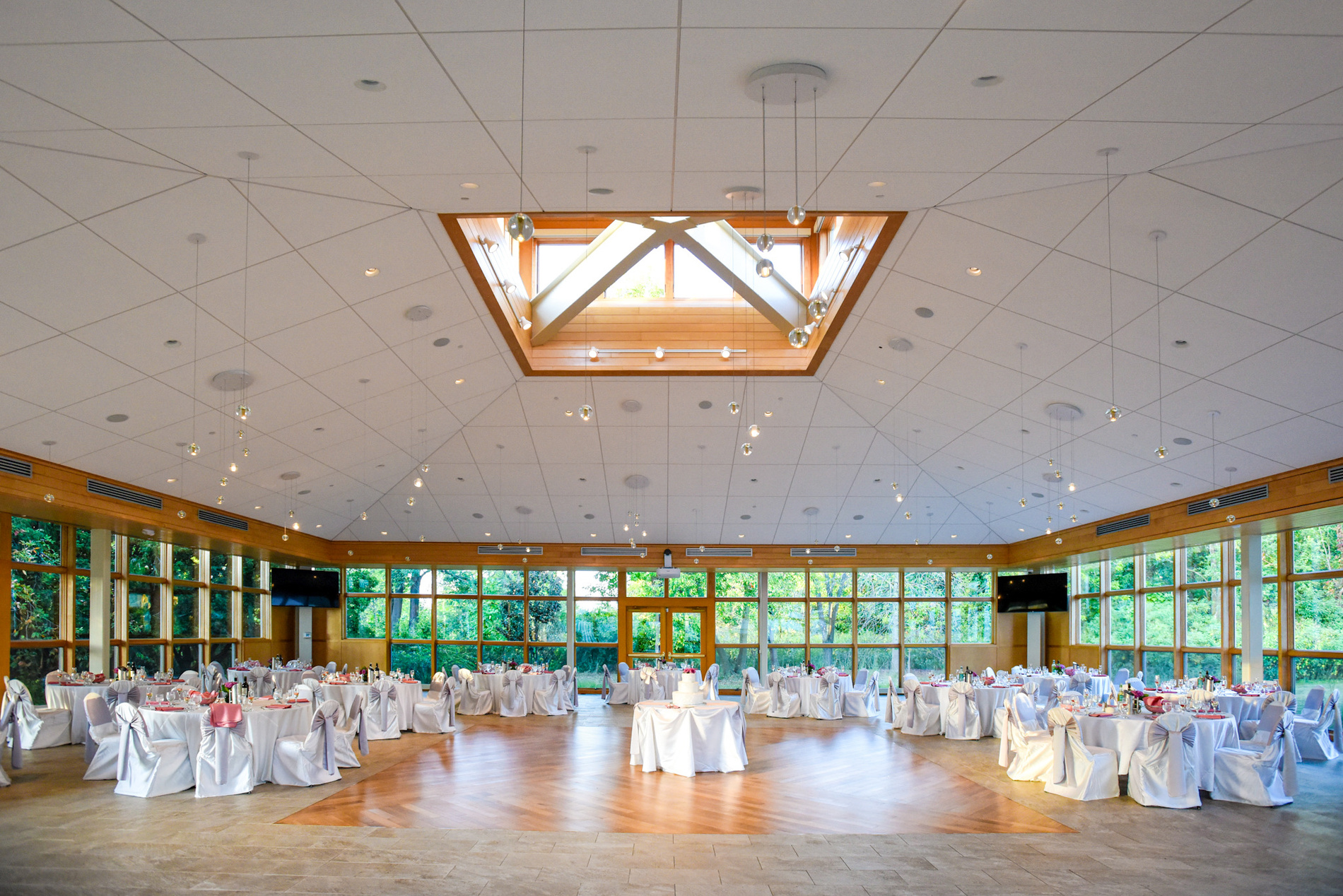
A seating display works best when guests can read it without blocking the entrance. Ask where it belongs and when people will be invited into the Atrium. Include enough transition time for the full guest count to find tables, greet others, and settle before introductions or dinner.
Check the arrangement with the caterer and entertainment team. A grand entrance that begins before half the guests are seated may lose its effect, while food service needs a dependable starting point. The Atrium guide connects the room layout with the evening’s meal, speeches, and dancing.
Give The Evening A Natural Rhythm
Decide which traditions matter to you and place them where they fit the meal and music. A welcome, toast, first dance, or dessert moment need not interrupt every course. Ask the caterer and DJ or band to discuss their needs together so announcements and service support one another.
Leave some breathing room. Guests enjoy conversation, and you may want a few minutes together before returning to the dance floor. An effective wedding-day timeline tells the team what comes next without treating every minute as a performance that must happen precisely on cue.
If several relatives will help direct guests, give them the same short instructions before the day. They do not need the entire vendor schedule, but they should know the ceremony gathering place, the next destination, and the person to contact when a question falls outside that plan.
Finish With An Easy Departure
The end of the guest event is only one part of the final hour. Transportation, the collection of gifts and personal items, vendor breakdown, and cleanup all need attention. Confirm which tasks must be completed within the rental window and who is responsible for each one.
Review the outdoor and indoor versions of the day at your final walkthrough. Walk through the transitions as if you were a guest attending for the first time. Danada’s spaces can give your wedding a lovely unfolding character, and clear, thoughtful movement lets everyone enjoy each part without wondering what happens next.
Continue Planning
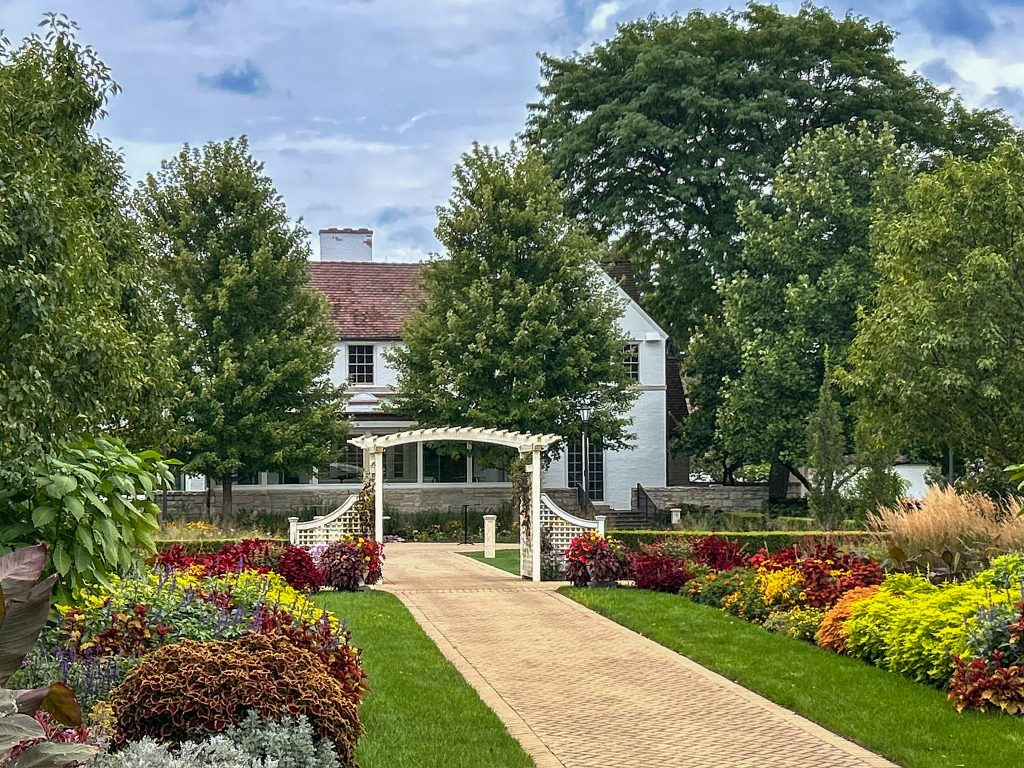
The Advantages Of Hosting Your Ceremony And Reception At One Venue
Keeping your ceremony and reception together can make the day feel more connected. Consider the guest experience, portrait plans, vendor movement, and weather arrangements before choosing how to use the setting.
Read The Guide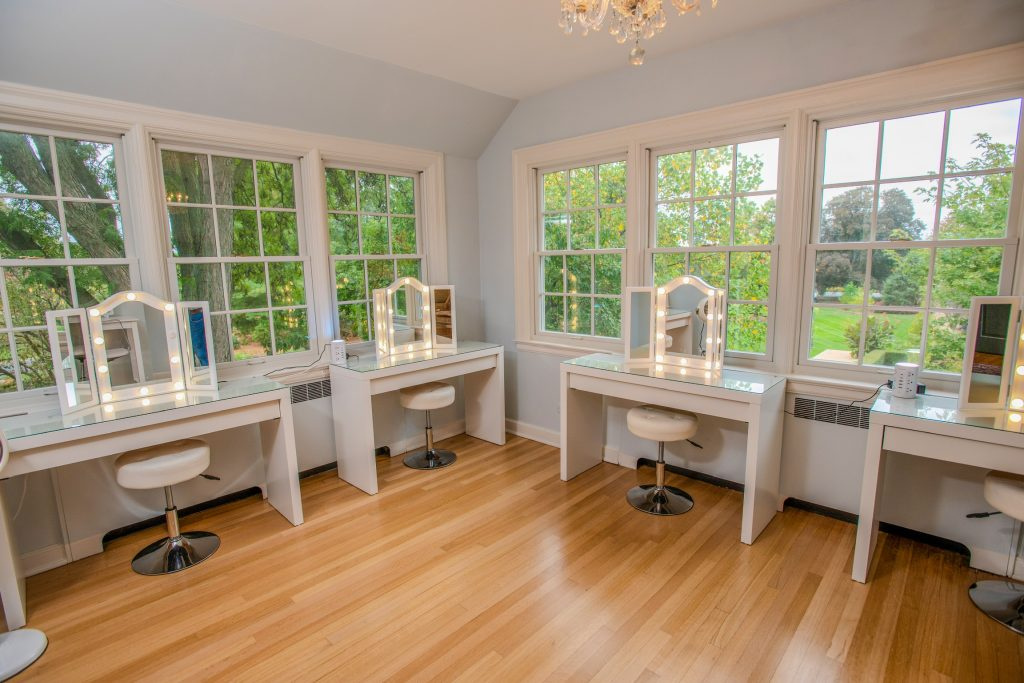
Creating An Outdoor Wedding Rain Plan You Will Actually Love
An indoor ceremony deserves the same care as your first plan. Coordinate the weather decision, guest arrival, flowers, sound, and photographs so the alternative feels considered and welcoming.
Read The Guide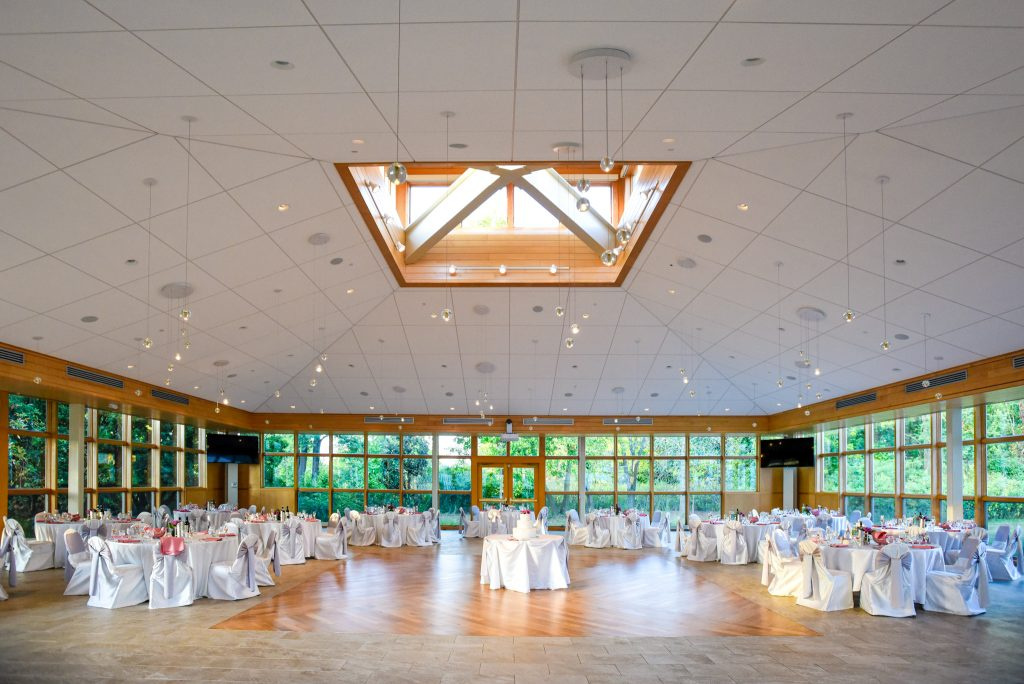
The Complete Guide To Planning A Danada House Atrium Reception
Bring the Atrium reception into focus one decision at a time. Review seating, entrances, service, lighting, entertainment, and the transition to dancing with a plan that works for guests and vendors.
Read The GuideWedding Reception Floor Plans, Seating And Dance-Floor Placement
A room drawing should work for people, not just look balanced on paper. Test guest routes, table labels, service movement, views, and dance-floor access before sharing one approved reception plan.
Read The Guide