
About 4 minutes to read
Personalizing a historic wedding venue begins with noticing what makes the place special. At Danada House, the mansion, gardens, and equestrian history already give the celebration a distinct setting. Your own story can become part of that setting through choices that feel meaningful rather than through decoration on every surface.
Think first about what guests should understand about you. The music you love, the meal you share, a family tradition, or a few photographs may communicate more than a large collection of themed objects. A wedding feels personal when its details belong to the people celebrating, and when those details are comfortable in the place they have chosen.
Choose A Few Details With Real Meaning
Start with a short list of things you would miss if they were absent from the day. Perhaps it is a reading, a particular song, a family recipe interpreted by your caterer, or a private moment before the ceremony. Those choices provide a stronger foundation than beginning with a shopping list of decorative items.
Discuss which details guests will experience directly and which are simply for you. A meaningful piece of jewelry does not need an explanation on a sign, while a shared tradition may benefit from a brief note in the program. Personal choices can remain quiet; they do not all need to become focal points.
Work With The Architecture
The mansion can offer character without extensive decoration. Look at the approved spaces and ask what already creates the atmosphere you enjoy. A few floral arrangements or a carefully placed display may be enough to connect your colors with the historic setting.
Check the venue policies before proposing attachments or installations. Historic property features should not become supports for a design without approval. Our floral guide explains how scale and placement can preserve the setting while giving the ceremony and reception a feeling that is distinctly yours.
Make The Ceremony Sound Like You
Choose readings, vows, and music with the officiant rather than assuming that every sample ceremony needs to be included. Discuss the tone you want, the traditions that matter, and the length that suits the gathering. Family participation can be especially meaningful when everyone understands where to stand and what will happen.
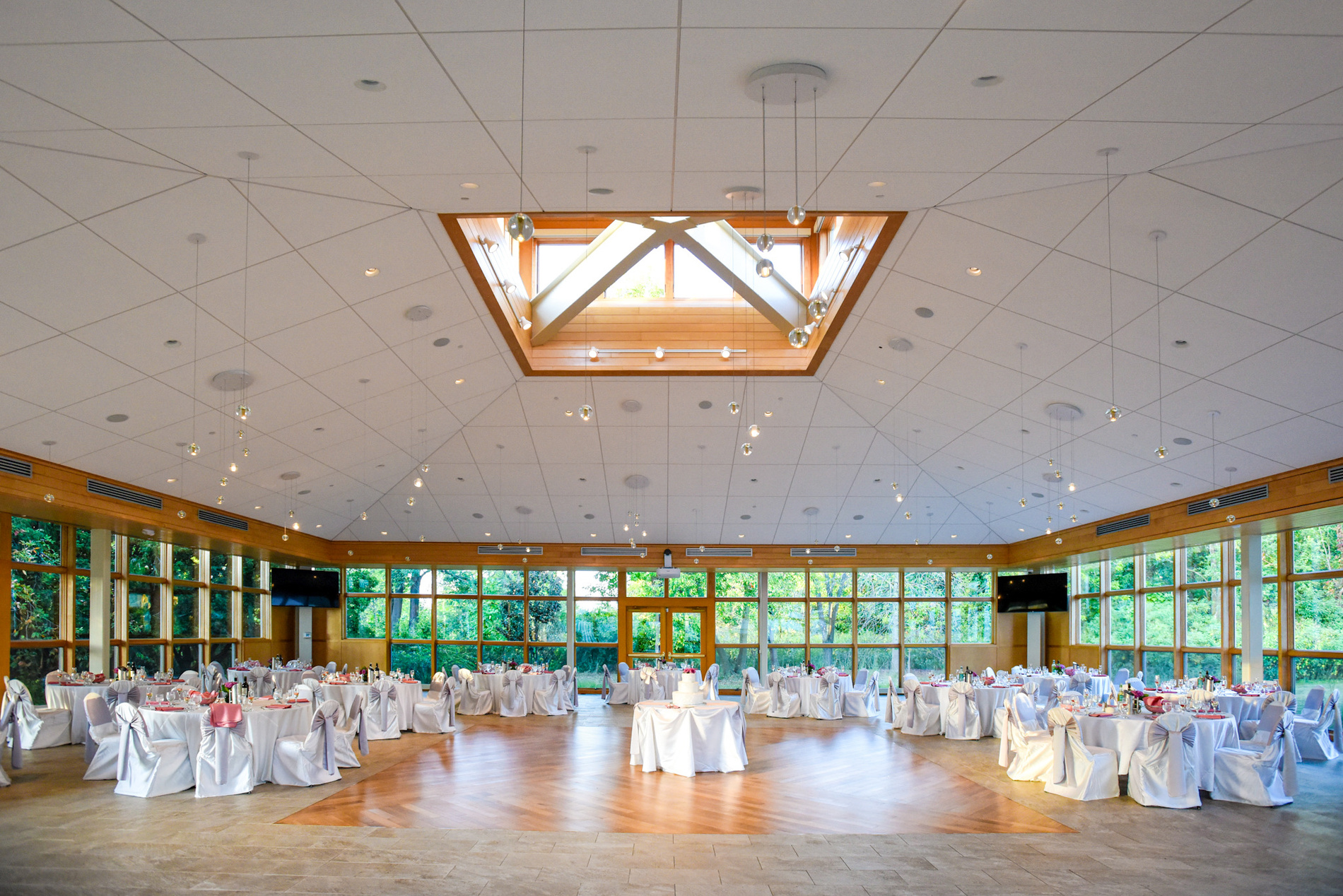
Give the coordinator and photographer a clear description of any unfamiliar element. The ceremony layout may need room for relatives, objects, or additional movement. Our ceremony-location guide can help you consider those needs when choosing between a garden, the mansion backdrop, or the indoor Atrium.
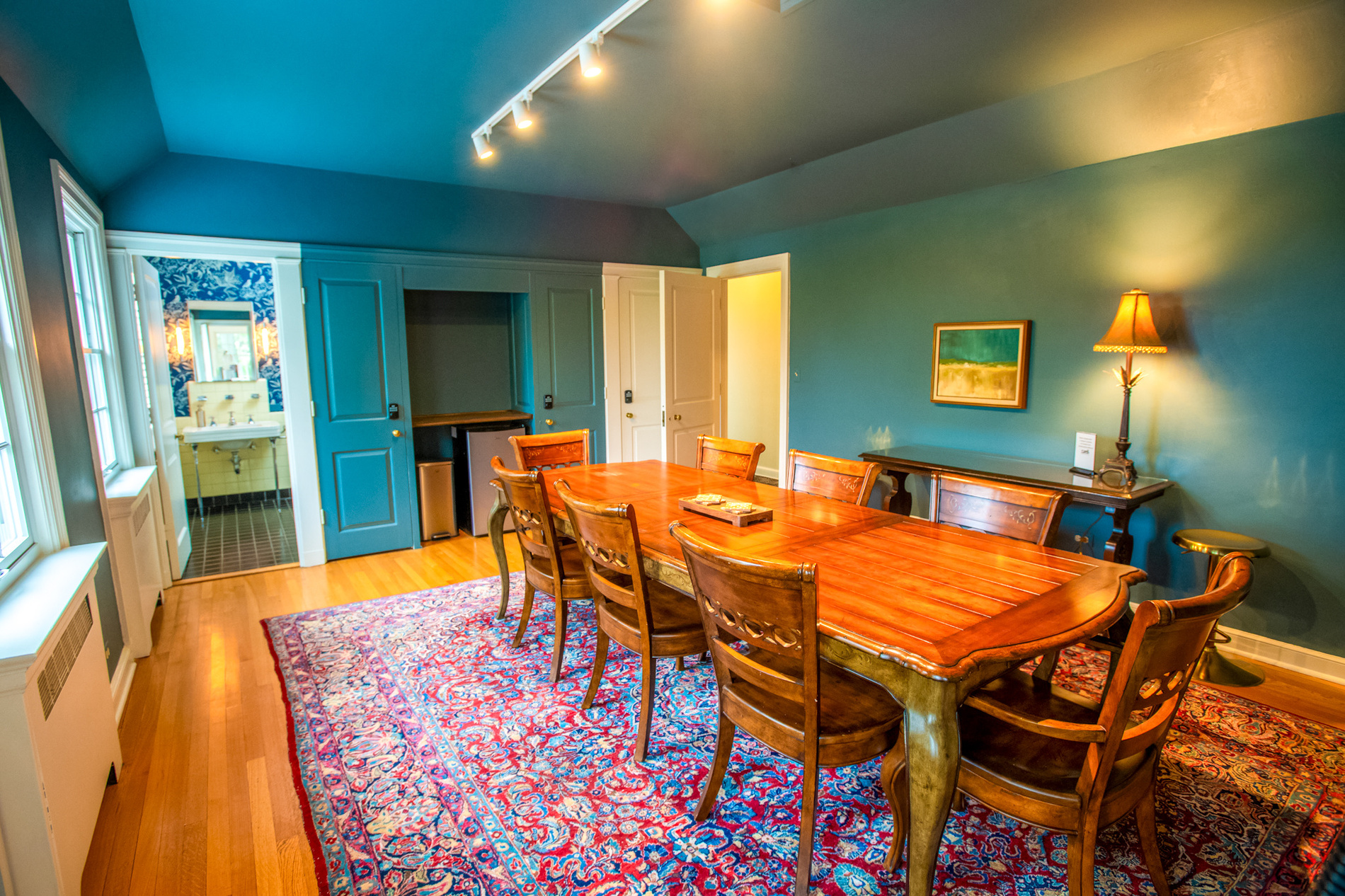
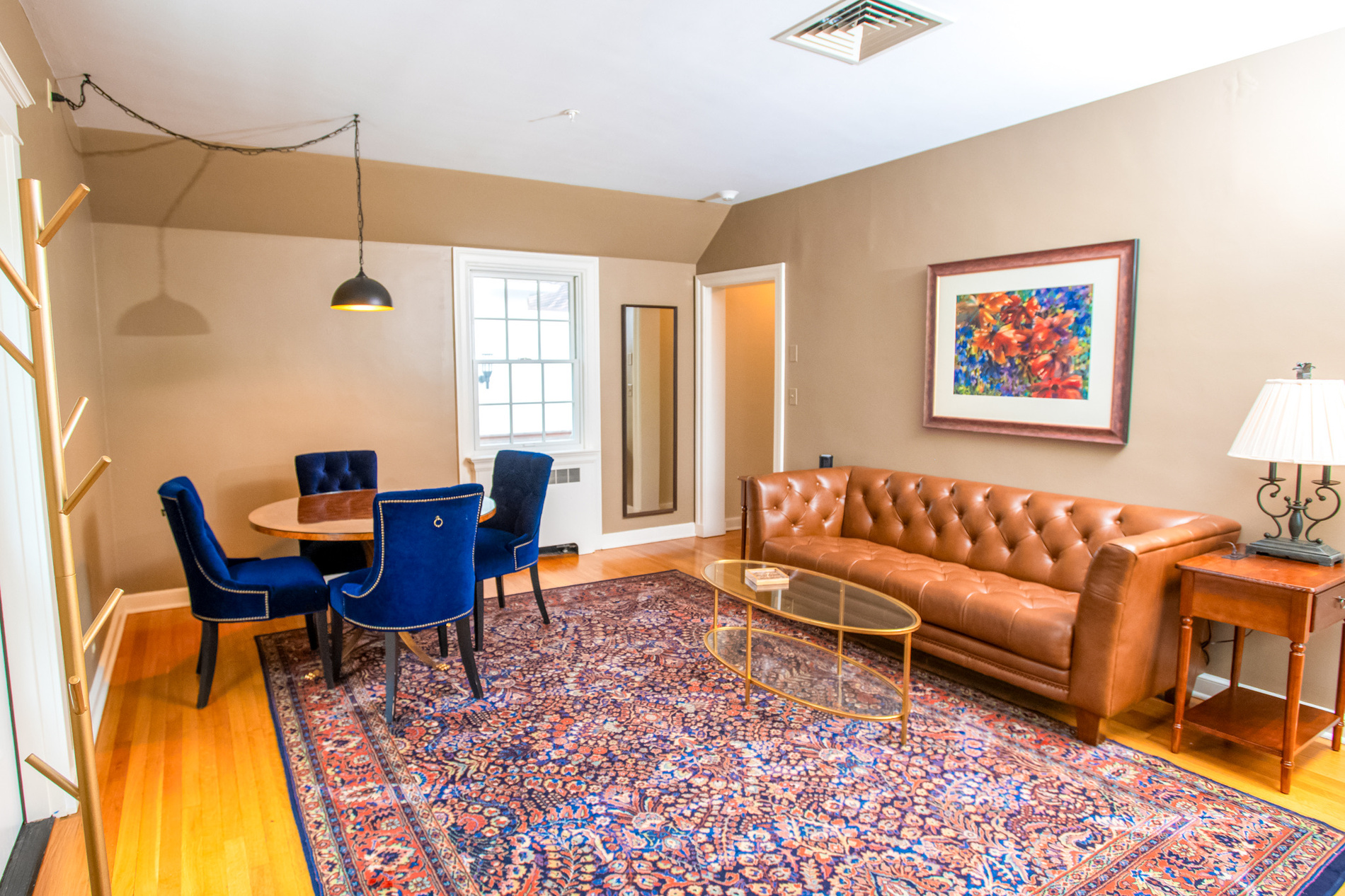
Bring Family History Into The Room Thoughtfully
A small display of family photographs can welcome guests into your story. Choose images with clear meaning and place them where people can look without blocking an entrance. Decide whether brief captions would help relatives understand the connections, and use copies rather than irreplaceable originals when practical.
Keep any remembrance detail consistent with what feels comfortable to you and your family. It may be visible to guests or kept private. The right approach does not need to follow a particular convention, and it should not turn a joyful gathering into a moment you feel obliged to perform publicly.
Let Food And Music Carry Personality
Your approved caterer can help translate favorite flavors or cultural connections into a menu that works for the event. Ask about ingredients, dietary needs, service, and whether the idea fits the kitchen and schedule. A personal menu succeeds when it is delicious and workable, not merely when it resembles an inspiration photograph.
Music can provide another natural thread. Share important songs and the atmosphere you want for dinner and dancing with the DJ or band. The entertainment guide includes questions about announcements and requests, which can make the reception feel more like your gathering than a standard sequence.
Give Guests An Easy Way To Participate
A guest book or a simple invitation to leave a memory can be lovely when its purpose is clear. Place it where people naturally pause and provide what they need to use it. If an activity requires several steps, complicated instructions, or constant assistance, consider whether it adds pleasure or simply another task.
Personal favors are optional. If you choose them, think about how guests carry them home and what happens to the extras. The same care applies to signs and small displays: their value comes from helping people enjoy the day, not from filling every available corner of the venue.
Keep The Whole Celebration Connected
Review your personal details against the floor plan and wedding-day timeline. Confirm who delivers each item, where it goes, and who collects it afterward. A meaningful object deserves a clear plan so it is not misplaced during setup or left behind during cleanup.
At the final meeting, ask whether any detail affects access, service, the indoor weather plan, or the rental period. Then give yourself permission to stop adding things. Danada’s history provides a memorable setting, and the people, words, food, and music you choose can make that setting part of your own story in a natural, lasting way.
Continue Planning
The Complete Guide To Planning A Danada House Atrium Reception
Bring the Atrium reception into focus one decision at a time. Review seating, entrances, service, lighting, entertainment, and the transition to dancing with a plan that works for guests and vendors.
Read The Guide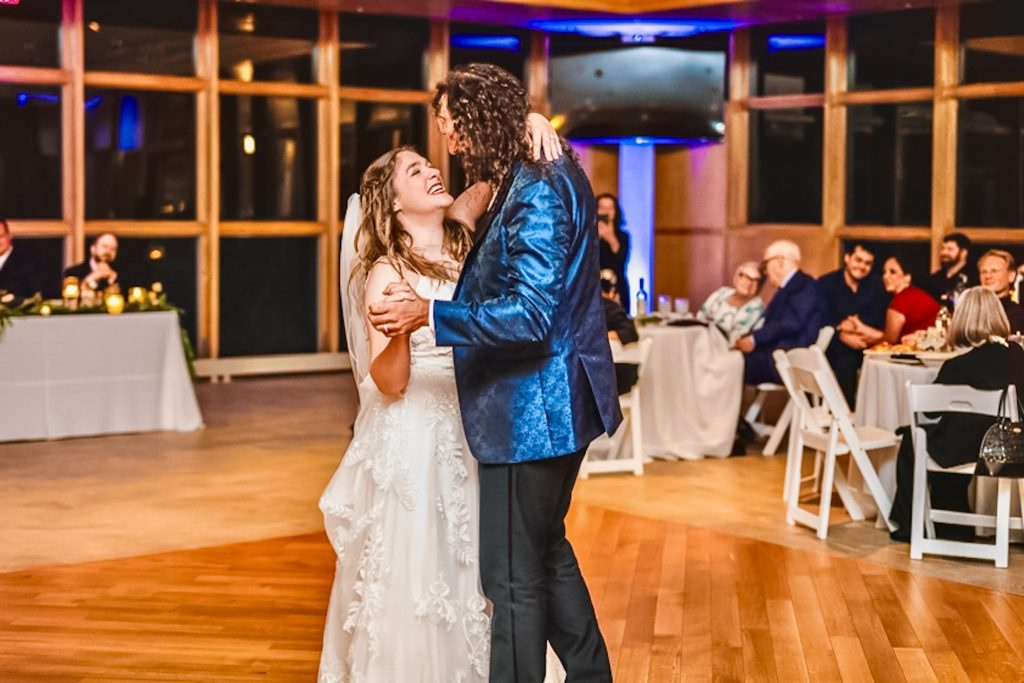
Wedding Lighting Ideas For A Bright, Elegant Atrium Reception
Plan reception lighting around the moments it needs to support. Discuss daylight, dinner, toasts, dancing, photography, and the actual equipment involved before choosing how your Atrium celebration will feel.
Read The Guide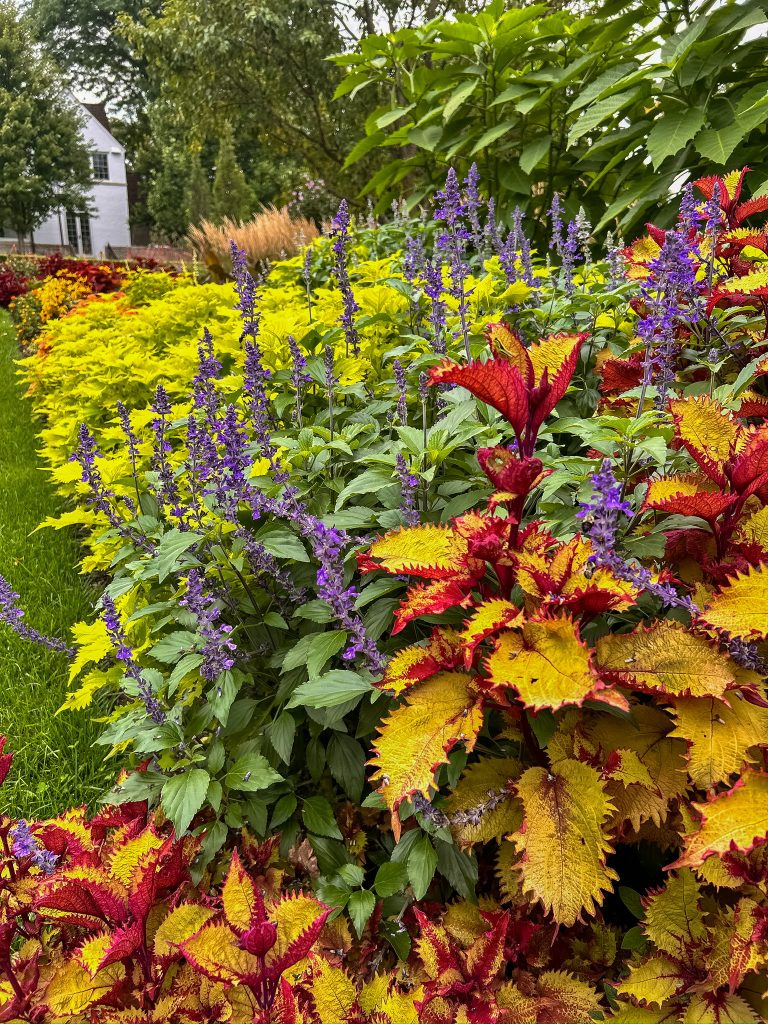
Floral Design For A Historic Mansion And Garden Wedding
Flowers can connect the ceremony and reception while allowing the setting to remain visible. Discuss placement, movement, guest views, and practical venue requirements alongside the colors and arrangements you love.
Read The Guide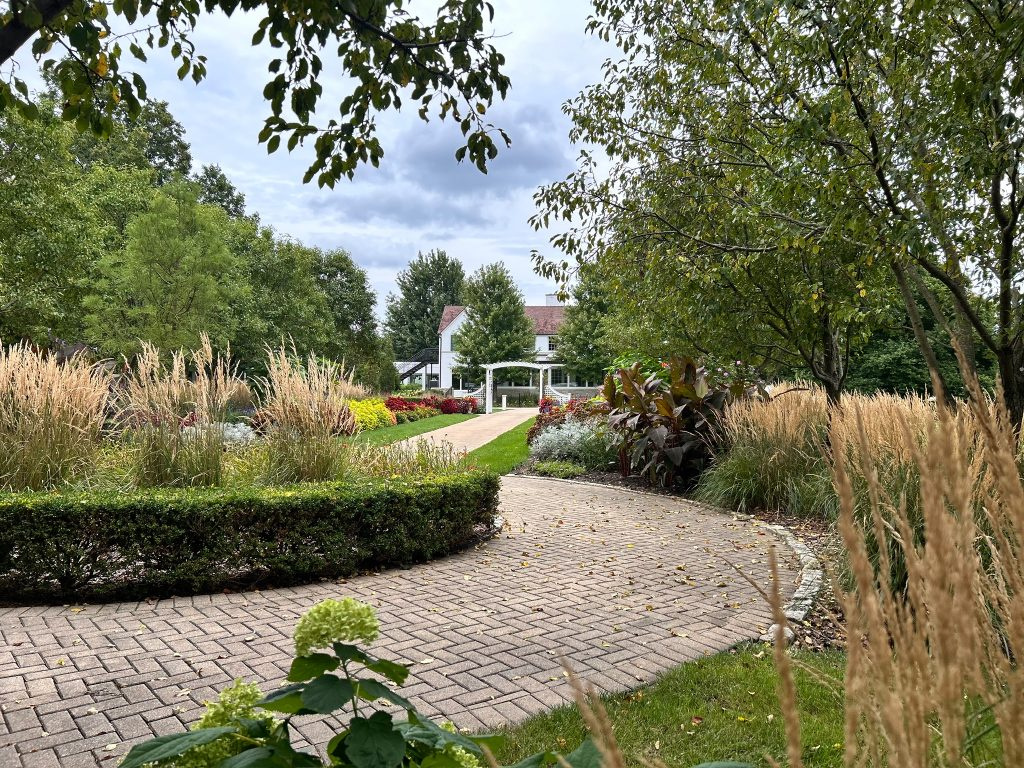
The Final Wedding Venue Walkthrough Checklist
Use the final walkthrough to turn plans into clear responsibilities. Bring the current drawing, timeline, questions, and decision log so the venue and vendors leave with the same practical picture of your day.
Read The Guide