
About 4 minutes to read
The meal is one of the most generous ways you welcome wedding guests. At Danada House, choosing a caterer means considering flavor, service, beverages, staffing, and the way dinner fits the reception. A beautiful menu matters, but so does the team that brings it into the room.
Danada requires catering arrangements through approved, licensed, insured providers. Begin with the venue’s caterer information and confirm the provider’s current approval for your event. Then compare proposals using the same guest count and service assumptions so you understand what each option includes before making a decision.
Start With The Kind Of Dinner You Want
Talk together about how you imagine guests sharing the meal. A plated dinner offers a different rhythm from a buffet or food stations, and each arrangement needs its own space and staffing. Consider whether you want a formal sequence, a relaxed gathering, or a menu that reflects particular family and cultural connections.
Give the caterer your estimated count, date, ceremony time, and reception location. Explain any priorities early, including time for dancing or a wish to join cocktail hour. A proposal becomes more useful when it responds to your actual celebration rather than presenting a menu without the context of the day.
Compare The Complete Proposal
Ask which costs cover food, service, beverages, rentals, delivery, setup, and cleanup. Clarify staffing levels, any minimums, administrative charges, taxes, and gratuity arrangements. Two menus with similar per-person prices may include quite different amounts of work around the meal.
Our venue-pricing guide helps connect catering with the wider budget. Keep venue rental and catering agreements distinct while comparing the combined cost. A tasting can help you evaluate food, but the written proposal is where you confirm the services and charges you are actually purchasing.
Welcome Dietary Needs From The Beginning
Ask how the team handles vegetarian, vegan, allergy-related, religious, and other dietary requests. Different needs call for different preparation and service arrangements, so avoid assuming that one alternative meal answers every question. Guests can share relevant information privately through your response process.
Confirm how special meals are identified and delivered without making guests explain their needs repeatedly at the table. The final seating plan may help the service team find people, depending on its process. Ask the caterer which information it needs and when, then collect that information carefully rather than leaving it until the wedding week.
Plan Beverage Service With The Venue
Review Danada’s policies with the caterer before making beverage purchases or promising a particular service. Food and beverage arrangements need the correct provider, staffing, and insurance. Clarify who supplies each item, who serves it, and which responsibilities apply during setup and cleanup.
Include nonalcoholic drinks and the needs of guests who do not drink alcohol. If you want a signature beverage, ask whether it fits the service plan and budget. Glassware, ice, garnishes, replenishment, and used-glass collection are practical details that should appear in the proposal rather than become assumptions shared between several people.
Let Service Help Shape The Floor Plan
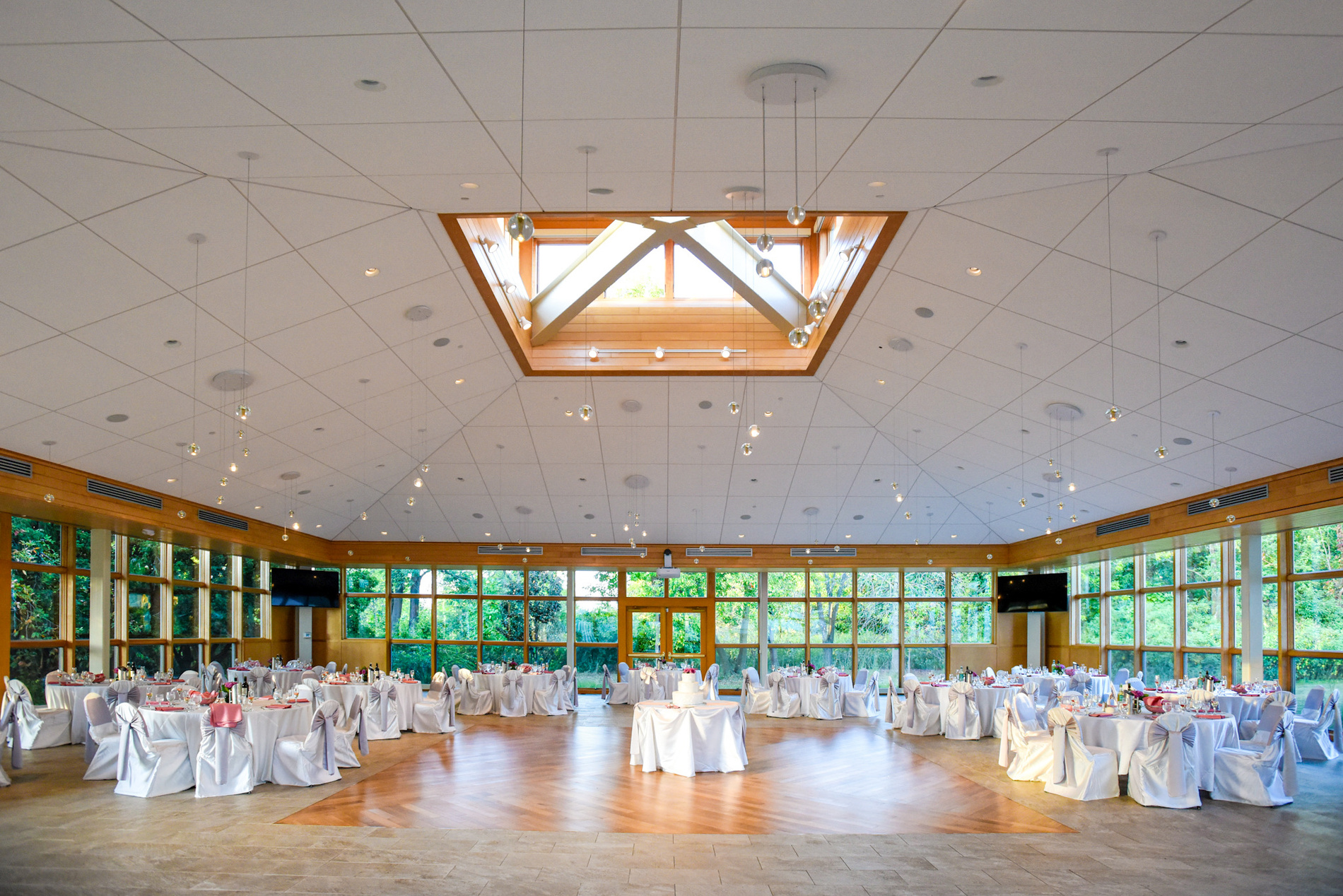
The caterer should review the reception layout before it is final. Buffet lines, stations, bars, and dessert displays all attract guests and need room. Plated service requires comfortable paths for staff carrying food and clearing tables.
Ask about the kitchen and service areas relevant to your event, and confirm them with the venue. Do not place large décor or lounge pieces where they interfere with catering operations. A thoughtfully arranged room allows the meal to arrive smoothly while guests continue enjoying conversation and the setting.
Connect The Meal With The Timeline
Dinner service needs a realistic starting point and enough time to proceed well. Discuss the end of the ceremony, portrait plans, cocktail hour, introductions, and speeches with the caterer. Your entertainment provider should know when announcements can happen without disrupting the meal.
The timeline guide helps bring those decisions together. If a special food tradition, dessert, or late-evening offering matters to you, give it a clear place in the schedule. Confirm its staffing and removal rather than assuming that the team can add it around the main meal without changing the proposal.
Ask how final changes are documented after the tasting or planning meeting. A revised menu, staffing adjustment, or rental choice should appear in the agreement or confirmed proposal. Keeping that information current allows the venue, caterer, and coordinator to prepare from the same expectations.
Confirm What Happens Before And After Dinner
Ask who sets linens, place settings, and table items, and which work belongs to your florist, rental provider, or coordinator. Confirm arrival times and deliveries within the agreed rental period. Personal décor should not be assigned to the caterer unless that task is explicitly included.
At the final walkthrough, review the count, special meals, room plan, beverages, service timing, and cleanup together. Clarify what happens to leftovers and rented items according to the provider’s policies. The right caterer helps the reception feel generous because both the meal and the work behind it have been thoughtfully prepared.
Continue Planning
Wedding Reception Floor Plans, Seating And Dance-Floor Placement
A room drawing should work for people, not just look balanced on paper. Test guest routes, table labels, service movement, views, and dance-floor access before sharing one approved reception plan.
Read The Guide
How To Plan A Cocktail Hour Your Guests Will Actually Enjoy
Cocktail hour can welcome guests while giving the wedding party time for other moments. Coordinate refreshments, seating, portraits, and directions so the interval feels like part of the celebration.
Read The Guide
Wedding Planning Checklist and Guide
Give your planning decisions a useful order from booking through the wedding day. Connect venue questions, vendor arrangements, guest information, and the final walkthrough without treating every task as equally urgent.
Read The Guide
The Final Wedding Venue Walkthrough Checklist
Use the final walkthrough to turn plans into clear responsibilities. Bring the current drawing, timeline, questions, and decision log so the venue and vendors leave with the same practical picture of your day.
Read The Guide