About 4 minutes to read
Music gives a wedding reception much of its movement and mood. At Danada House, a DJ or live band can help guests settle into dinner, share important moments, and gather on the dance floor. Choosing between them begins with the atmosphere you want rather than a rule about what a wedding should include.
Think about the music you enjoy, the range of people attending, and how much live performance matters to you. Then consider space, equipment, announcements, and the day’s schedule. A good entertainment choice fits both your personalities and the practical arrangement of the Atrium reception.
Compare The Experience Of A DJ And A Band
A DJ can offer a broad recorded music library and flexibility across styles, while a live band brings the energy and character of a performance. Providers differ widely within both categories. Listen to examples, ask about experience with weddings, and discuss how they respond to the audience during an event.
Consider the songs that matter most to you. A band may interpret a song rather than reproduce the recording you know, while a DJ’s approach to transitions and requests will shape the evening. The best choice is the team whose style you understand and feel comfortable inviting into the celebration.
Ask About The Whole Service
A proposal should explain the performance hours, staff, equipment, setup, breakdown, and any additional services. Clarify whether ceremony sound or cocktail-hour music is included or separately priced. Do not assume a reception package covers microphones in an outdoor garden or music in another location.
Start with the Danada entertainment resources and confirm current requirements with the venue. If a provider is bringing equipment unfamiliar to the property, ask how it coordinates with the team. The venue-tour questions can help you understand access, electrical needs, and permitted arrangements.
Plan The Space Before Finalizing The Room
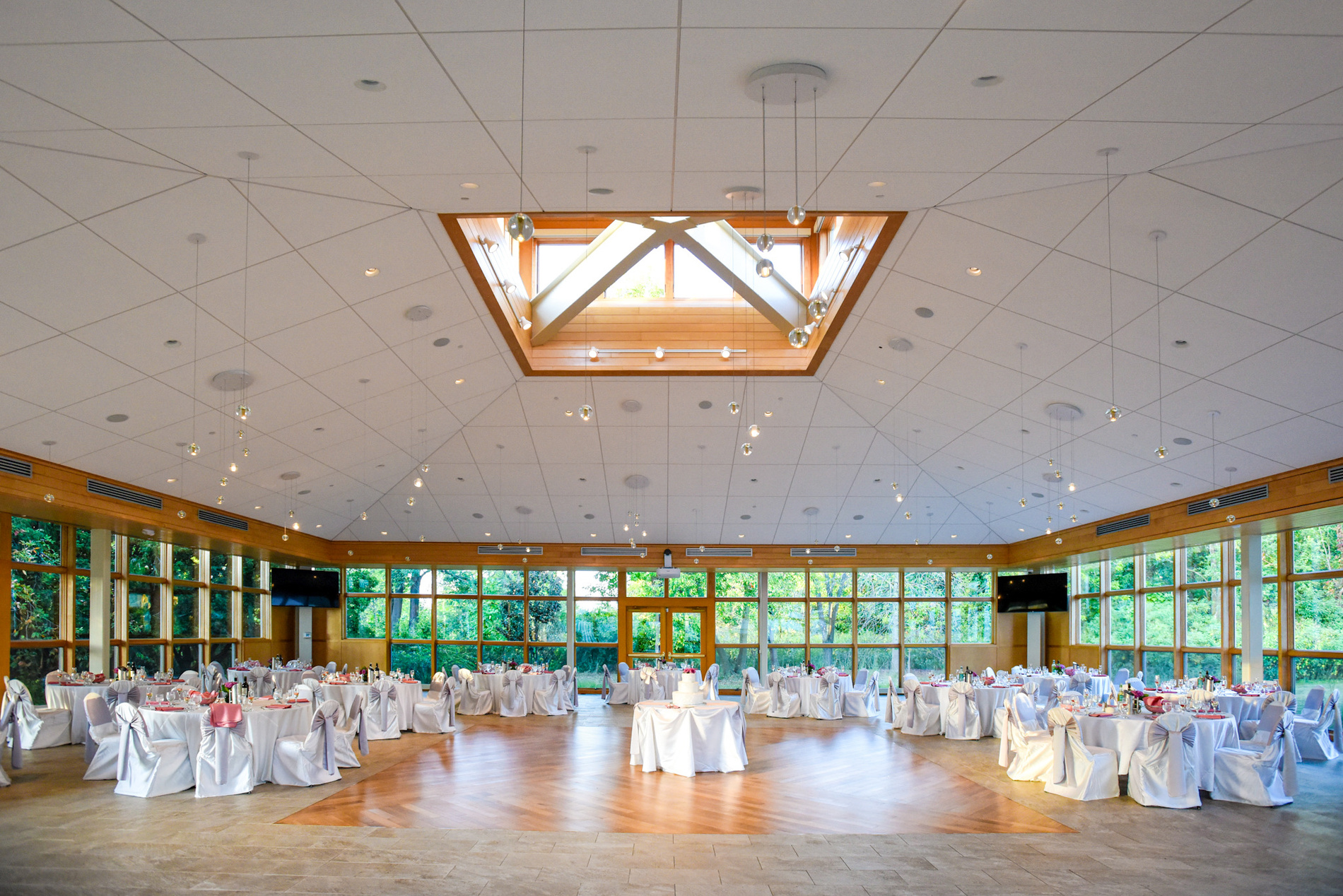
A live band needs room for musicians and instruments as well as sound equipment. A DJ also needs a defined setup area, power, and clear access. Give the provider your proposed floor plan and ask it to identify the complete footprint rather than estimating from a small performance photograph.
Mark the dance floor at the same time. Our reception-layout guide explains why entertainment should be part of the early arrangement. Tables, service paths, and equipment need to work together so guests can move easily between dinner, dancing, and conversation.
Make Announcements Sound Like Your Celebration
Discuss whether the provider will act as an emcee and how you want announcements delivered. You may prefer a restrained welcome, a lively introduction, or something between the two. Share name pronunciations and any traditions that need a brief explanation before the wedding day.
Ask who cues entrances, speeches, dances, and other events. The entertainment team may make the announcements without managing every part of the underlying schedule. Our planner and coordinator roles guide helps you make sure that someone is responsible for preparing the people involved before a microphone announces the moment.
Give Dinner And Dancing Different Moods
Music during dinner should allow comfortable conversation. Later, the dance floor can become more energetic without making every seating area feel equally loud. Discuss speaker placement and the way the provider changes volume and atmosphere over the evening.
If you include lighting, ask what the package contains and how it is operated. The Atrium lighting guide connects those choices with dinner, speeches, and photographs. Danada prohibits indoor smoke machines and certain effects, so check the policies before choosing an enhancement because it appears in another wedding video.
Share Preferences Without Writing Every Minute
Provide a short list of essential songs, a list of music you do not want, and an explanation of the overall feeling. Let the provider know whether guest requests are welcome and how to handle them. Too many fixed selections can leave little room to respond when a particular style brings people onto the floor.
For a band, ask about breaks and what guests hear during them. For either option, confirm how the first dance and other important songs are supplied and cued. Make sure the versions and lengths are correct rather than assuming that a song title identifies the exact recording you mean.
If you want both a band and a DJ, ask how they share equipment, performance time, and announcements. The combination can offer variety, but it also requires coordinated space and setup. One agreed plan should make clear which team controls sound at each stage of the reception.
Finish With A Shared Schedule
Give the entertainment team the approved wedding-day timeline, catering schedule, and coordinator’s contact. Confirm arrival, sound checks, the guest event’s end, and equipment removal within the rental window. If the ceremony moves indoors, the team should already know how that affects its setup.
At the final meeting, review the moments that need announcements and the places where the evening can breathe. A good DJ or band helps the reception feel like a gathering you are enjoying, with music and guidance that support the people in the room rather than pull attention away from them.
Continue Planning
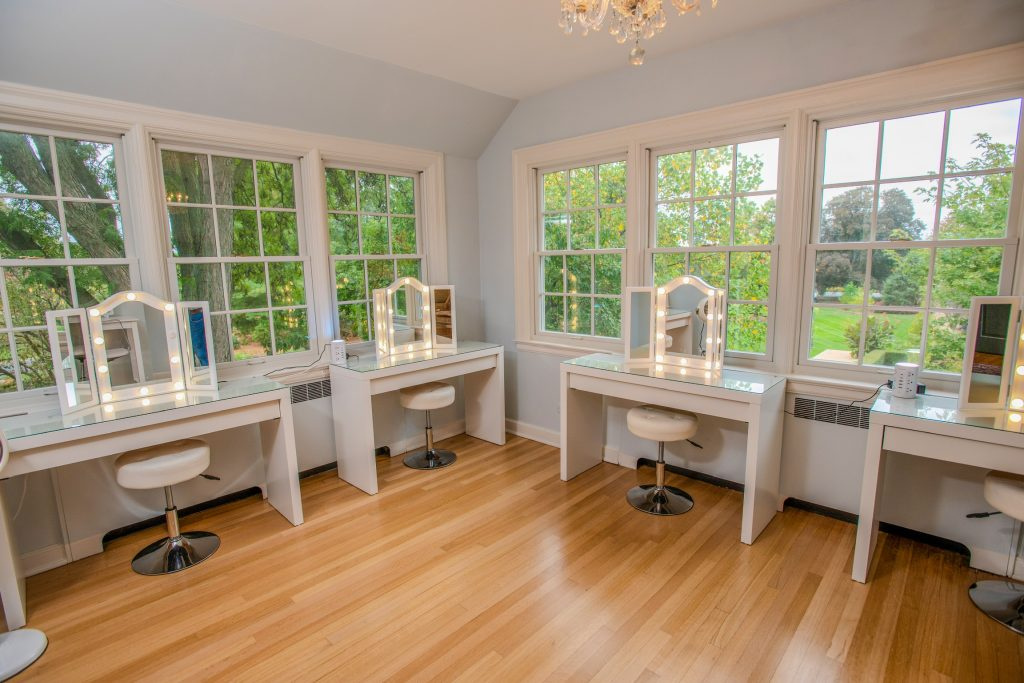
Wedding Reception Floor Plans, Seating And Dance-Floor Placement
A room drawing should work for people, not just look balanced on paper. Test guest routes, table labels, service movement, views, and dance-floor access before sharing one approved reception plan.
Read The Guide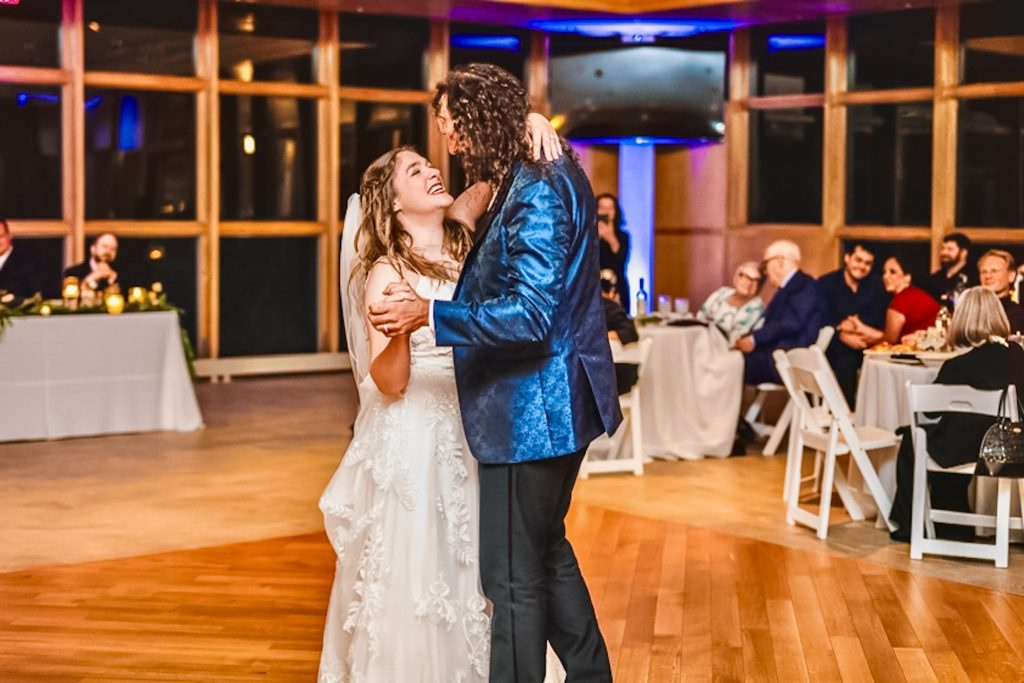
Wedding Lighting Ideas For A Bright, Elegant Atrium Reception
Plan reception lighting around the moments it needs to support. Discuss daylight, dinner, toasts, dancing, photography, and the actual equipment involved before choosing how your Atrium celebration will feel.
Read The Guide
Wedding Planning Checklist and Guide
Give your planning decisions a useful order from booking through the wedding day. Connect venue questions, vendor arrangements, guest information, and the final walkthrough without treating every task as equally urgent.
Read The Guide
The Final Wedding Venue Walkthrough Checklist
Use the final walkthrough to turn plans into clear responsibilities. Bring the current drawing, timeline, questions, and decision log so the venue and vendors leave with the same practical picture of your day.
Read The Guide