About 6 minutes to read
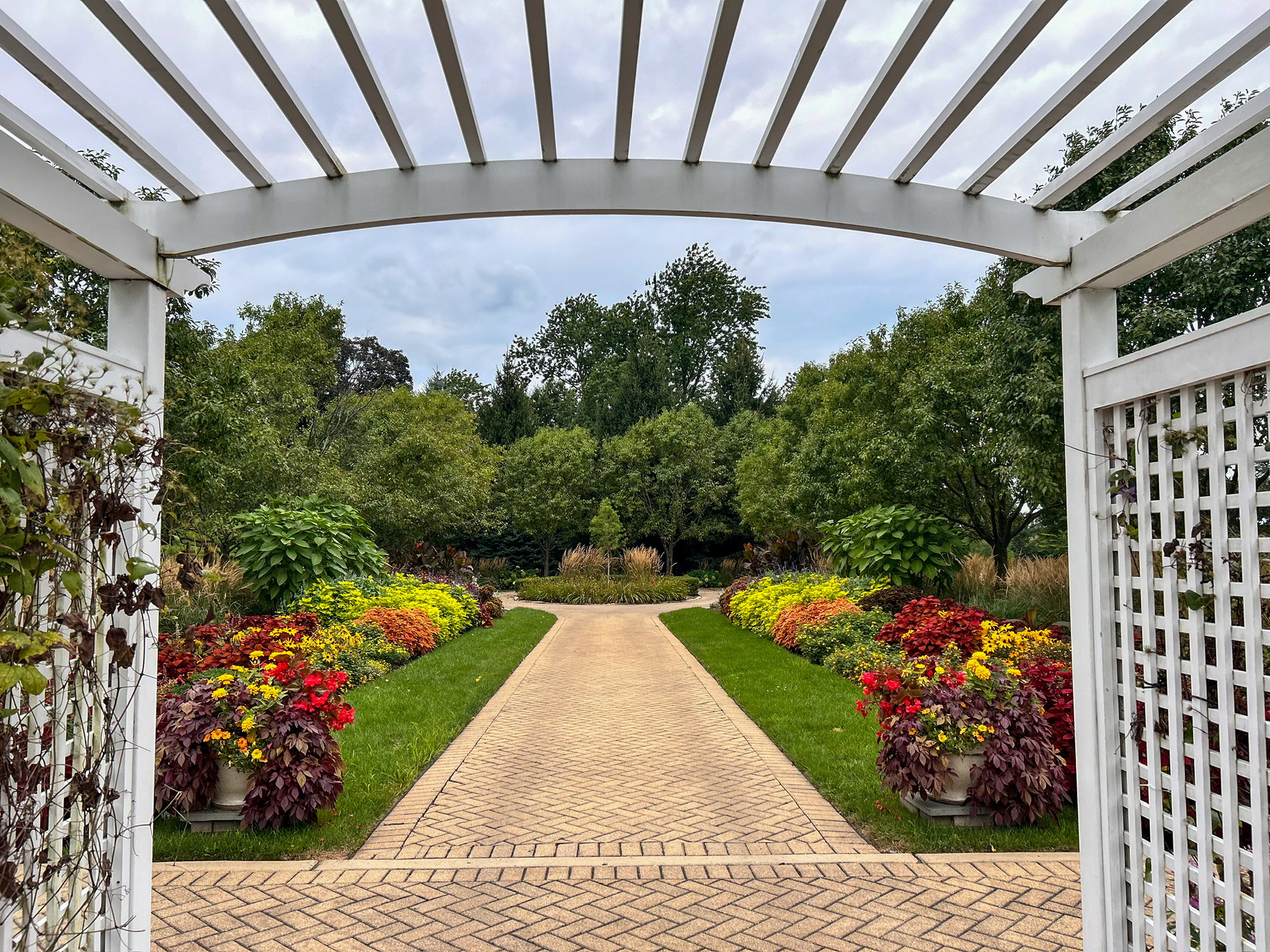
A garden ceremony invites you to enjoy Danada House in a particularly personal way. Trees frame the gathering, the mansion sits nearby, and the day begins with the people you love sharing an outdoor setting. Planning for rain protects that experience by giving you another beautiful, workable way to celebrate when the weather changes.
The most helpful backup plan is specific enough that everyone knows what to do. It describes the ceremony arrangement, the reception transition, vendor responsibilities, and the message guests will receive. Once those choices are made, a forecast becomes information your team can use rather than a problem you must solve on your wedding morning.
Choose An Indoor Ceremony You Can Picture
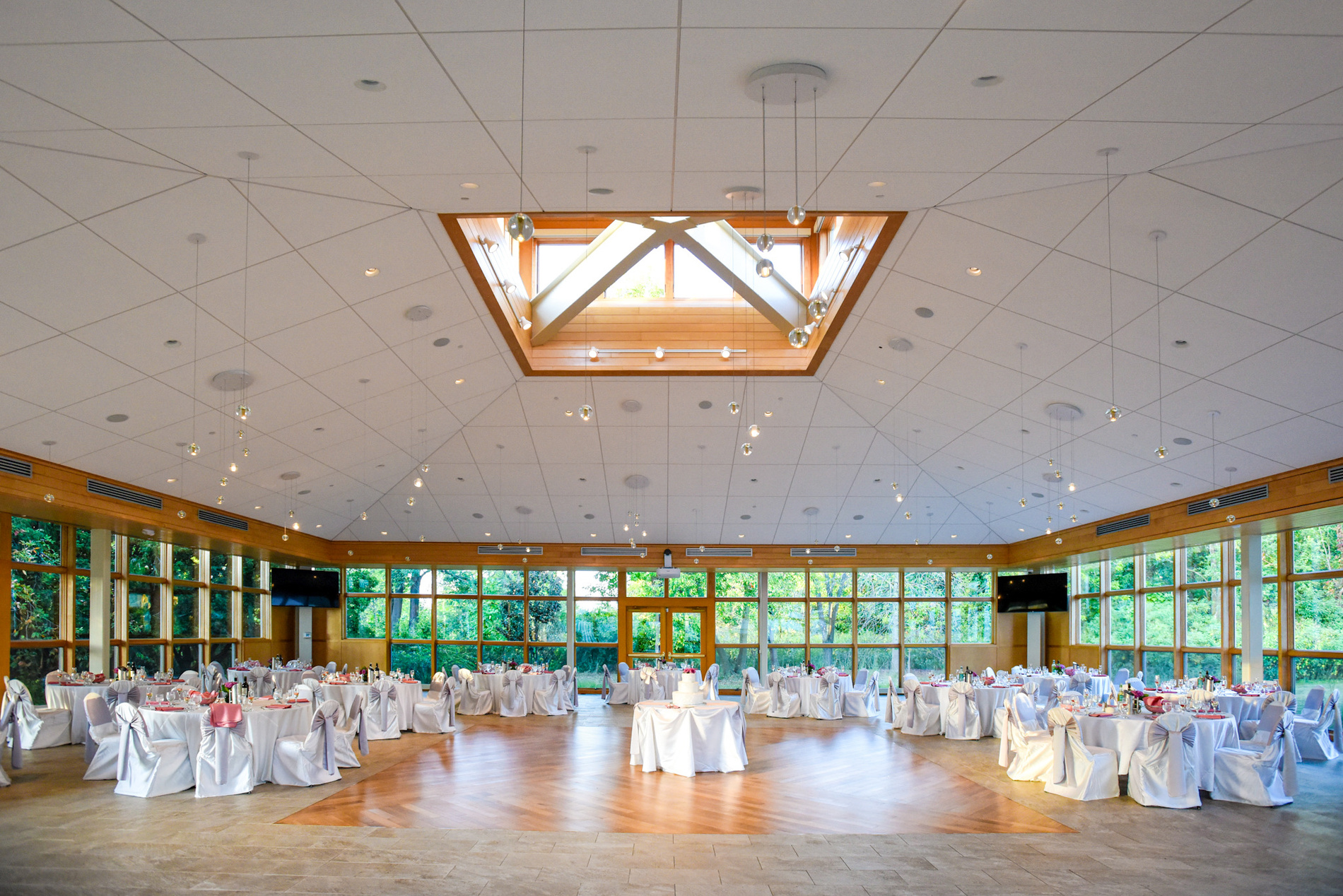
Begin by imagining the indoor ceremony as a complete occasion. Ask where the aisle will be, what guests will see behind you, and where your wedding party will stand. At Danada, the Atrium is an indoor ceremony option, but its arrangement needs to fit the reception plans for your event.
Discuss whether dinner tables will already be in place or whether a room change is required afterward. Confirm who moves furnishings, how long the transition needs, and where guests spend that interval. A backup sketch with those answers will be much more useful than a single sentence saying that the wedding can move inside.
Decide Who Makes The Weather Call
Give the decision a clear owner before the wedding week. Ask the venue about its weather procedures, then agree with your planner or coordinator on the timing and the people consulted. Your florist, caterer, rental company, and photographer may each have setup needs that affect when a choice becomes practical.
Rain is not the only consideration. Wind, heat, lightning, and wet ground can change what is comfortable or safe outdoors. Rather than setting your own universal threshold, ask the venue and vendors how they assess conditions for this location. Write down who communicates the decision so a relative is not trying to direct several teams from a phone.
Give Your Flowers Two Places To Belong
Tell your florist about both ceremony settings before approving the design. An arrangement intended for a garden arbor may not work in the same way inside, particularly when its dimensions, base, or installation method change. Ask which pieces can move easily and which require a separate indoor plan.
Keep the backup design focused on a few meaningful elements. Flowers near the ceremony, a thoughtful aisle, and a clear view of you may be enough to make the room feel intentional. Check the venue policies before planning attachments, candles, or dramatic effects, because a weather change does not change the rules that protect the property.
Plan The Guest Arrival
An indoor decision should reach the people who guide arrivals first. Parking instructions, signs, ushers, and hotel transportation all need to point guests toward the same entrance. Guests should be able to arrive without wondering whether the garden is still the meeting place.
Put a short weather note on your wedding website explaining that the celebration will proceed and that final directions will be provided when needed. Save a detailed announcement for a real change rather than asking everyone to monitor forecasts. Our guest guide can help you organize arrival information in one clear place.
Keep Sound And Ceremony Details Together
Outdoor microphones, indoor speakers, musician placement, and electrical access deserve separate confirmation. Give your entertainment team both layouts so it can plan the correct equipment and setup time. A microphone that is suitable for the garden may need a different position in an indoor arrangement.
Your officiant also needs to know where to gather, where to stand, and how the procession will work. Include any readings, ceremonial objects, and family participation in both plans. Rain should change the location, not unexpectedly remove a tradition because nobody remembered to leave enough room for it.
Let The Photography Plan Adapt
Ask your photographer about indoor portraits and short outdoor opportunities between showers. The answer will depend on conditions, available spaces, and the timeline. A few flexible portrait options can help you preserve time together without promising a particular garden photograph regardless of the weather.
Think about protecting clothing and flowers when moving between spaces. Umbrellas can be useful, but they do not replace a safe route or adequate time. Build a modest buffer into the wedding-day timeline so a change of setting does not immediately push dinner, speeches, and dancing behind schedule.
Write A Weather Decision Sheet
Keep the weather version of your ceremony on one page. Include the person authorized to make the decision, the people who must be consulted, the agreed decision time, and the contact responsible for telling each vendor. Confirm those details with your venue and planning team rather than choosing a universal deadline from someone else’s wedding.
Add the practical effect of the decision. List where guests will arrive, where the ceremony will take place, which items need to move, and who is responsible for each task. If a task cannot be completed safely or comfortably after a particular point, ask the team to explain that limitation while you are planning. A written decision sheet makes those dependencies easier to see.
Follow The Equipment As Well As The Flowers
Flowers are often the first thing couples picture moving indoors, but the ceremony also depends on sound, seating, personal items, and the people taking part. Ask the person providing ceremony audio to describe both arrangements. Confirm how microphones, music cues, and any necessary power arrangements will be handled in the selected space.
Make a separate note for anything that cannot simply be carried from one setting to another. Your vendors can explain the handling, setup time, or design changes their items require. A floral installation, rented structure, or particular seating arrangement may need a different approach indoors. The useful question is how the idea will translate, rather than whether the two settings can look identical.
Think about the wedding party’s personal items too. Decide where bouquets, umbrellas, bags, or coats should go once people enter the ceremony space. Assign a person who knows the plan and can help discreetly. That small handoff keeps the ceremony entrance from becoming a moment when everyone is searching for a place to put something.
| Area | Confirm Together |
|---|---|
| Guests | Arrival message, directions, and any assistance requested |
| Ceremony | Seating, entrance, sound, and personal items |
| Vendors | Decision contact, setup changes, and agreed responsibilities |
| Photographs | Indoor choices and an adjusted portrait sequence |
Communicate The Choice Without Making It The Story
Prepare a short message for guests that states where to go and when to arrive. They need useful directions, not a long explanation of every forecast you considered. Share the final message through the channels you already use, and make sure the people greeting guests have the same information.
Once the decision is made, let the team carry it out. You can still be disappointed by a change of weather while also enjoying a ceremony prepared with care. The point of the indoor version is to protect the meaning and comfort of the occasion. When its practical details have already been discussed, the setting can become part of the celebration rather than a problem you have to keep solving.
Rehearse The Change On Paper
At the final walkthrough, review the outdoor and indoor versions side by side. Confirm the chair count, ceremony décor, sound, guest holding area, and reception reset. Check that both fit within the agreed rental period, including delivery, setup, and cleanup.
Then share the final plan with the people responsible for carrying it out. A one-page summary with names and phone numbers can be easier to use than a long chain of messages. You have chosen Danada for the whole setting, and a well-prepared indoor ceremony allows that choice to remain a pleasure even when the day takes a different shape.
Continue Planning

Seven Ceremony Locations
Seven ceremony settings invite different ways to picture your wedding. Compare their character, guest routes, light, and practical arrangements, then bring your priorities to a tour of Danada House.
Read The Guide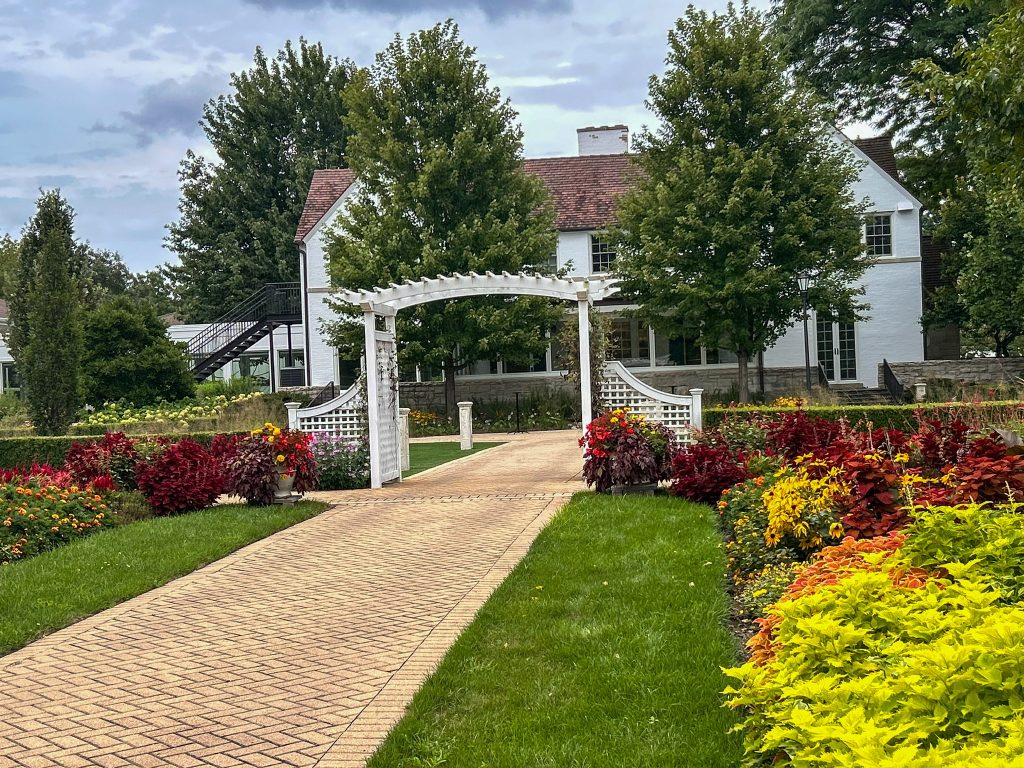
Choosing Your Ceremony Time For Sunlight, Comfort And Wedding Photography
Ceremony timing affects photographs, guest comfort, and the pace of the celebration. Bring your preferred atmosphere and practical priorities to a conversation with the venue, photographer, and planning team.
Read The Guide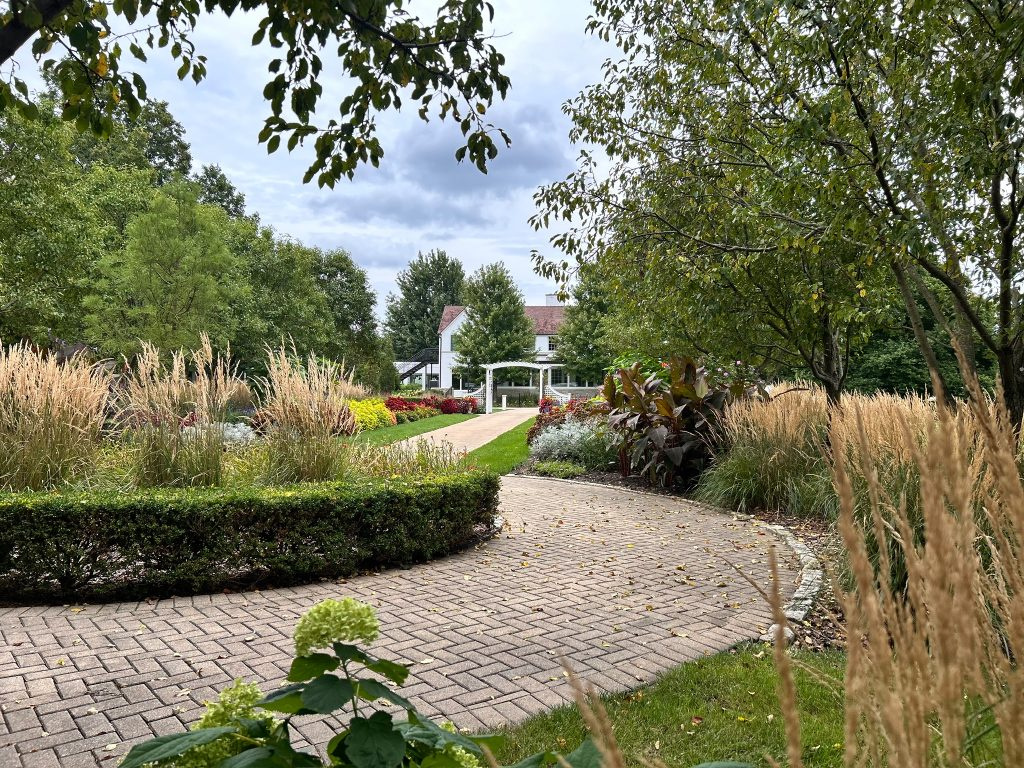
Creating A Natural Wedding-Day Flow Through The Mansion, Gardens And Atrium
A celebration feels easier when each transition has been considered. Follow the journey through portraits, ceremony, cocktail hour, and the reception to connect the mansion, gardens, and Atrium thoughtfully.
Read The Guide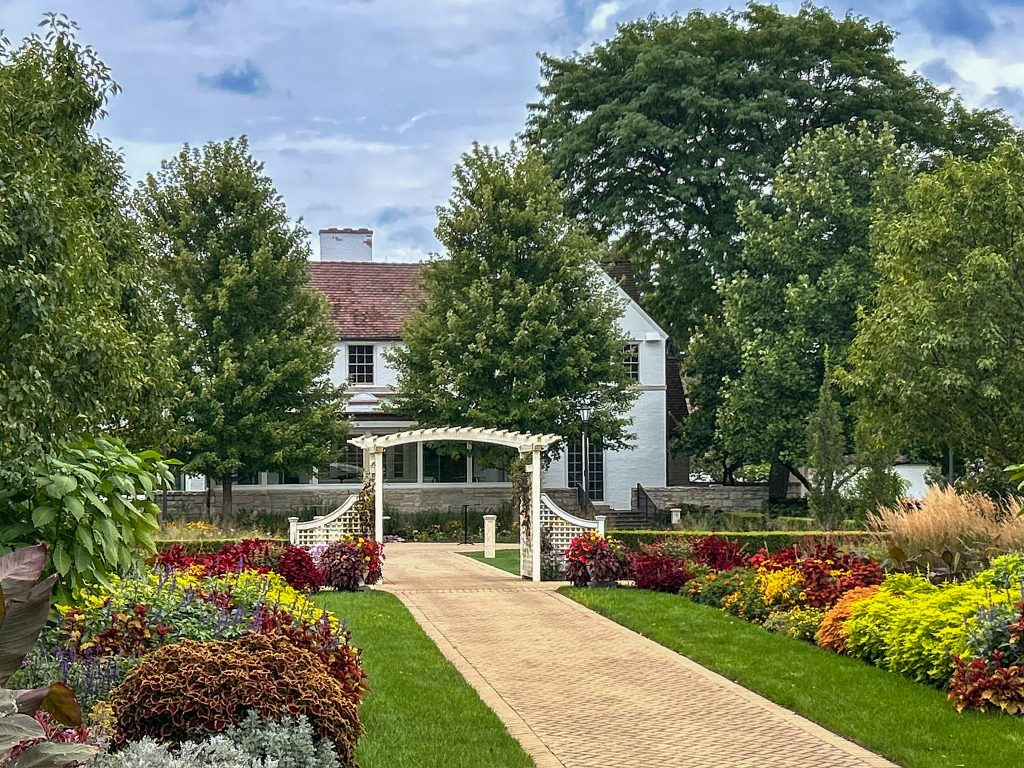
Building A Wedding-Day Timeline That Keeps Every Vendor Connected
A useful wedding timeline explains who gives the cue as well as what time something happens. Connect vendor requirements, guest transitions, flexible moments, and the ending in one shared working plan.
Read The Guide